
By Nana Karikari, Senior Global Affairs Correspondent
Burkina Faso has officially opened its first domestic gold refinery in a push for economic sovereignty. The milestone marks a major shift for the military-led government. Authorities aim to capture a greater share of mineral wealth at home. The facility signals a decisive break from decades of exporting raw resources abroad.
Inauguration and Ambitious Targets
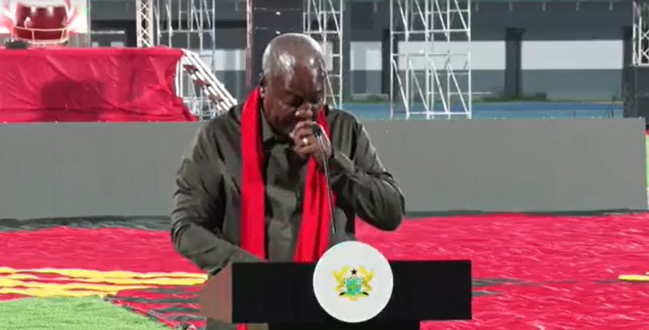
The leader Captain Ibrahim Traoré inaugurated the plant in the capital on Monday. The facility is known as Raffinor-BF. It spans five hectares and cost more than 11 billion CFA francs, equivalent to $19 million or £14 million. Funding came from the state, including the National Precious Metals Company, known as Sonasp, in partnership with the domestic private sector.
The plant starts with an annual capacity of 164 tonnes. Officials eventually plan to scale capacity to 515 tonnes. This ambitious target suggests the state wants to process gold from neighboring countries as well.
“We want to refine all our metals on site… we want to have the entire value chain on site,” Captain Traoré stated at the opening ceremony.
Mines Minister Yacouba Zabré Gouba echoed that sentiment during the launch. “This is the day we take back the keys to our own house,” he said. “Our gold will no longer be used to create added value for others while our people remain in need.”
Economic Nationalism and Industry Reforms
Captain Traoré took power in a September 2022 coup. The 38-year-old leader has since pursued an assertive nationalist economic agenda. His administration seeks to reduce economic dependence on foreign corporations and traditional Western partners. The government now mandates that foreign mining firms grant the state a 15% stake. Companies must also train local workers.
Additionally, the state created a national mining company two years ago. Authorities suspended exports from artisanal and semi-mechanised mines in 2024 to tighten market oversight. These policy moves coincide with record global gold prices and high international output. World mine production reached an estimated 3,672 tonnes in 2025, according to the World Gold Council. Burkina Faso’s output rose by 17% year-on-year in the second quarter of 2026.
Security Challenges and Informal Mining
Burkina Faso ranks among Africa’s top gold producers. Yet, successive administrations have struggled to regulate artisanal mining. Smuggling remains a persistent challenge. The government alleges that illicitly traded gold helps finance Islamist insurgencies. The country has battled armed groups linked to al-Qaeda and the Islamic State for years. Large territories remain outside full state control.
Broader Sovereignty and Regional Trends
Beyond mining, the administration is pushing for domestic processing across other commodities. Cotton, textiles, and food processing are central to this self-reliance campaign. President Traoré framed these initiatives as fundamental to national sovereignty.
“From now on, gold from Burkina Faso must not only be extracted in Burkina Faso, it must be processed, controlled, valued and certified in Burkina Faso,” Traore said.
“Natural resources belong to the people,” he added. “They must contribute to improve their living conditions, with respect for the environment, social justice and in the interest of future generations.”
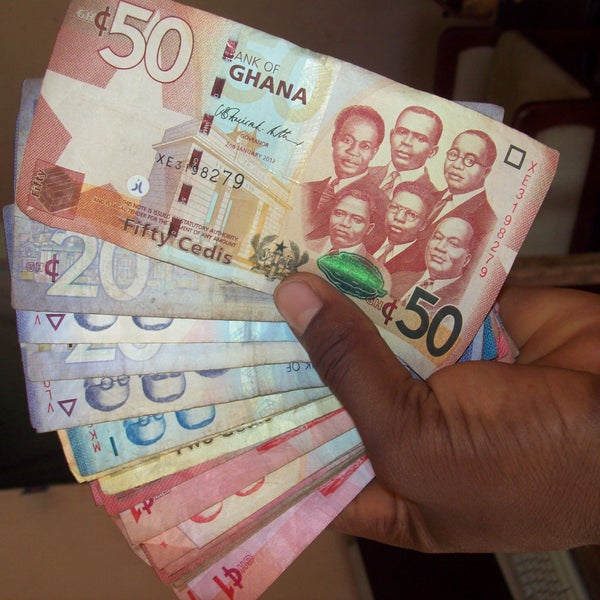
Burkina Faso is not alone in shifting its mineral policies. Several West African nations are seeking similar domestic control. Guinea and Ghana have recently restricted unrefined gold exports. Mali is building its first refinery with Russian assistance. Ivory Coast plans to open its own facility next year.
Governance Scrutiny and Human Rights
However, the military regime faces severe international scrutiny regarding governance. The landlocked country of 23 million people confronts a multi-front security crisis. Human rights monitors report that extremist violence has intensified under military rule. Meanwhile, authorities have faced repeated accusations of civilian killings, extrajudicial actions, and crackdowns on political dissent. Critics note that independent media outlets have been shut down. The regime has also faced allegations of forcibly conscripting dissidents and journalists into the army to fight insurgents.
As West Africa’s extractive landscape undergoes this historic pivot toward resource nationalism, international observers note that the long-term viability of these ambitious domestic industrial policies will ultimately depend on balancing state-led sovereignty demands with regional security stability and transparent governance reforms.