
By: Hannah Dadzie
In an effort to bring regional integration closer to ordinary citizens, the Ministry of Foreign Affairs in collaboration with the ECOWAS Commission, has officially launched the ECOWAS National Citizens Engagement and Public Sensitization Campaign in Accra.
Many citizens, particularly traders, entrepreneurs and students are still not fully aware of the opportunities created by ECOWAS protocols.
The campaign, dubbed ECOWAS for All: Bringing ECOWAS Closer to the Citizens, Promoting Awareness, Participation, and Opportunities for Regional Integration,” seeks to bridge the gap between ECOWAS policies and the everyday experiences of citizens, particularly traders, entrepreneurs, transport operators, students and people living in border communities.

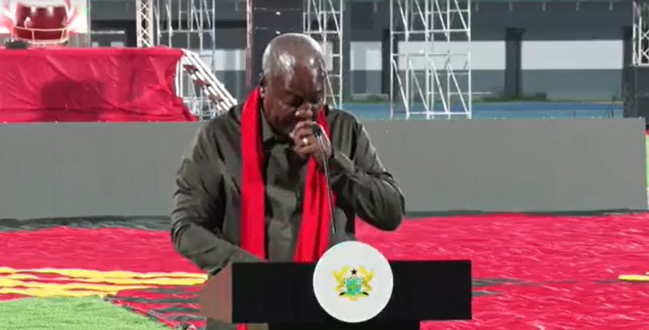
Launching the campaign, Deputy Minister of Foreign Affairs, James Gyakye Quayson, said regional integration cannot succeed if ECOWAS remained largely understood within government institutions and conference rooms.
He said many citizens were still unaware of opportunities available under ECOWAS protocols, including the free movement of persons and goods and the ECOWAS Trade Liberalisation Scheme.
“Regional integration cannot succeed if it is discussed only in conference rooms and government offices. It must be understood, embraced and actively supported by the very persons whose lives are intended to be improved through the implementation of ECOWAS protocols,” he said.
Mr Quayson said a Ghanaian could travel to other ECOWAS member states without a visa and stay for up to 90 days, subject to the applicable travel requirements.
He explained that goods originating within the region and qualifying under the ECOWAS Trade Liberalisation Scheme were expected to cross borders without import duties.
According to him, citizens could also reside and establish businesses in other ECOWAS member states in accordance with the domestic laws of those countries.
“These are not favours. These are your rights,” he said, urging citizens to understand the procedures governing movement, trade and residence within the sub-region.
The Deputy Minister said the campaign would include stakeholder forums, market sensitisation activities, border community engagements, media outreach and student workshops.
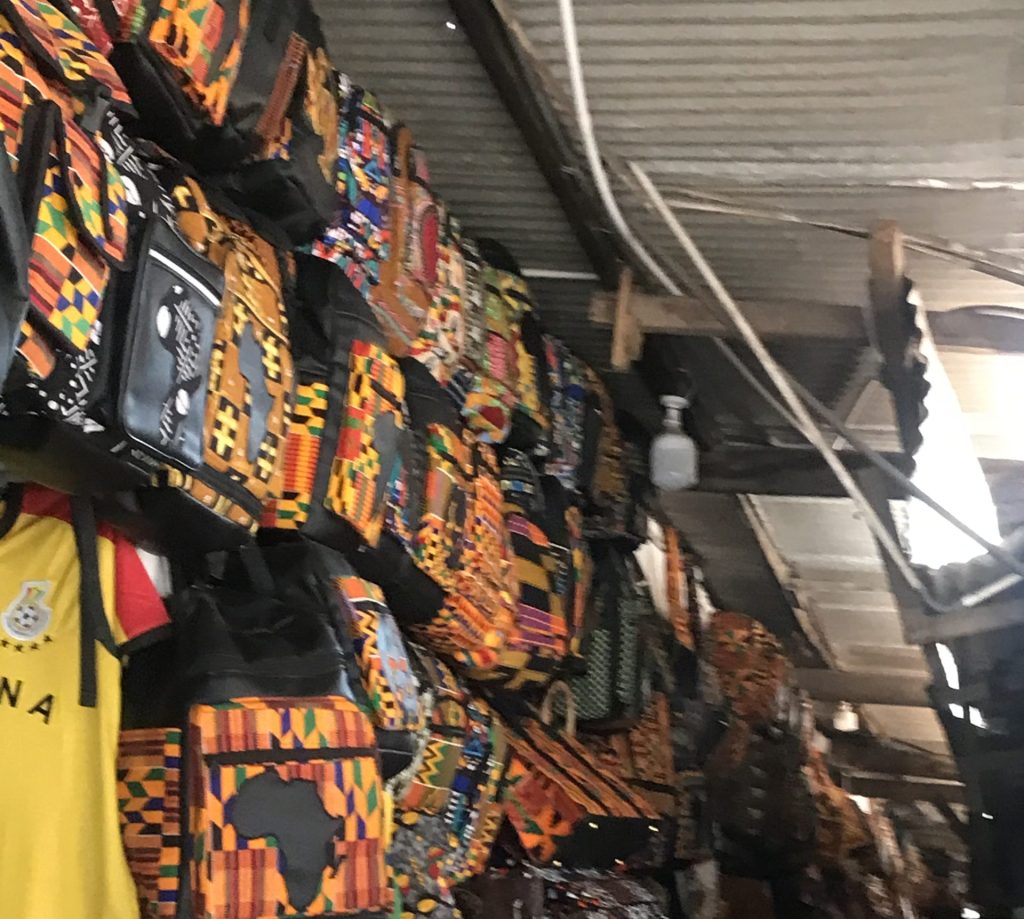
Specific engagements are expected to take place at Makola and Madina markets, as well as the Aflao and Elubo border communities, providing traders and other citizens with opportunities to raise concerns about customs procedures, documentation and border processes.
The ECOWAS Resident Representative in Ghana, Ambassador Gana Lawan Mohammed, said the campaign came at a critical point in the evolution of regional integration in West Africa.
He described ECOWAS as a community of about 400 million people, stressing that its success should be measured not only by decisions taken at the institutional level but also by the extent to which citizens experience tangible benefits in their daily lives.
Ambassador Mohammed said there was an urgent need to close the gap between regional policies and citizens’ knowledge and experiences.
“This campaign should not be viewed merely as an information dissemination campaign, but a citizenship and participation initiative,” he said.
He urged citizens to understand what ECOWAS is, take advantage of opportunities created through regional integration and actively participate in shaping the future of the community.

The ECOWAS Resident Representative also highlighted ongoing initiatives to improve movement across the region, including the ECOWAS National Biometric Identity Card.
He said an integrated border management system and action plan were being pursued to link border management systems across member states, with the aim of facilitating recognition of the biometric identity card for travel by land, air and sea.
He also cited the SIGMAT automated transit management system, which links customs authorities across member states to facilitate the movement of goods, combat fraud and secure customs revenue.
Ambassador Mohammed said the region faced complex challenges, including insecurity, climate change, economic difficulties, irregular migration, misinformation and disinformation, making citizen engagement increasingly important.
He called for the establishment of a standing inter-ministerial committee involving the ECOWAS National Office, relevant ministries and agencies, stakeholders and development partners to strengthen coordination and oversight of the campaign.
Meanwhile, the Head of Operations at the Ghana Immigration Service, Deputy Commissioner of Immigration (DCOI) Justice Amevor, says the full implementation of ECOWAS free movement protocols continues to face challenges, including the recognition of travel documents across member states.
He said although ECOWAS had introduced several travel documents over the years, challenges with recognition and implementation had continued to affect free movement.
DCOI Amevor said the ECOWAS biometric identity card was introduced following a decision by ECOWAS Heads of State and Government in 2014 to upgrade the earlier ECOWAS Travel Certificate.
Ghana, he noted, was among the countries that had rolled out the biometric card, but only a few member states had so far implemented the system.
He called for greater cooperation among member states to ensure the card is recognised as a valid travel document at immigration and customs control points.
The ECOWAS for All campaign is expected to provide citizens with practical information on free movement, trade, education, employment, entrepreneurship and investment opportunities across the region.
The initiative which forms part of efforts to advance the ECOWAS Vision 2050 objective of moving from an “ECOWAS of States” to an “ECOWAS of Peoples and Prosperity,” will run from October to December 2026.