
By Nana Karikari, Senior Global Affairs Correspondent
Uganda has abruptly pulled out of the Invictus Games just two months after celebrating its admission as the tournament’s first East African participant. General Muhoozi Kainerugaba, the chief of defence forces and son of the president, announced the withdrawal on the social media platform X. He stated that the decision aims to prevent any perception of opposition to the British monarch. The country had originally joined the international sporting event for wounded military veterans during a ceremony in London in July.
Navigating Royal Protocol and Controversy
The military chief justified the abrupt reversal by emphasizing deep reverence for the British crown. “In order not to be construed as being opposed to His Majesty King Charles III of the United Kingdom, whom we deeply revere, Uganda hereby withdraws from the Invictus Games,” Kainerugaba wrote. He further emphasized alignment with the throne, stating, “We shall not participate in anything that does not have His Majesty’s approval.” Reports indicate the general specifically objected to internal military factions supporting what he termed the “Harry-Meghan nonsense,” leading him to quash the participation immediately.
Official Responses and Tournament Impact
Organizers and government representatives have reacted with caution to the unexpected diplomatic twist. Ugandan government spokesman Alan Kasujja confirmed the commander holds sole authority over military participation, noting that “General Kainerugaba decides whether or not the UPDF participates in the Invictus Games. What you saw is his stated position. If it changes, he will let the world know.” Meanwhile, a spokesman for the Invictus Games stated that officials had received no formal notification regarding the withdrawal and were actively seeking clarification through local contacts. Royal insiders maintain that King Charles broadly supports initiatives aiding wounded service members, and Birmingham is still scheduled to host the tournament next year.
Complex Dynamics Surrounding the Duke
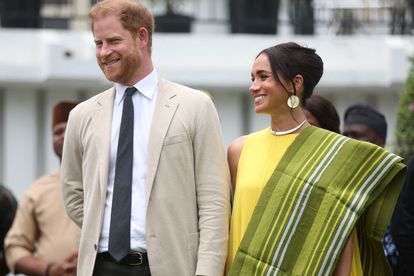
The diplomatic ripple coincides with heightened public focus on Prince Harry’s relationship with the royal family following his return to the UK. Recent correspondence from representatives of the King clarified that Prince Harry and Meghan remain non-working members of the royal family. Despite conflicting media reports regarding
whether the sovereign and his youngest son have communicated, sources indicate that direct phone contact has occurred since the Duke’s arrival, even as physical meetings remain pending while the King concludes his stay in Scotland.
Analysts note that this unexpected withdrawal highlights the complex intersection of military autonomy, international sports diplomacy, and modern royal public relations.