
By: Jennifer Nerkie Kenney
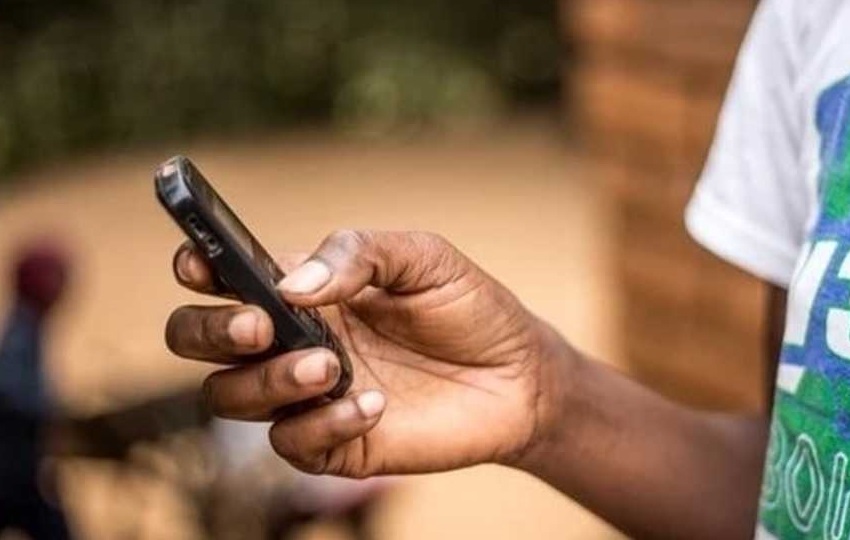
Bridget found herself in a dilemma, choosing between a fertility app called Flo and advice from her friends, whom she had always trusted. She decided to go with the advice from friends who egged her to count the days instead of relying on the app’s alerts. When her period failed to come, Bridget began to question which method is safer? Truly, which method is safer?
Like Bridget, many women in Ghana rely on informal beliefs and traditional counting as a family planning approach. The method is widely trusted because it is natural and cost-free. However, health professionals caution that relying on counting alone, without a clear understanding of ovulation, can lead to unintended pregnancies.
In many Ghanaian communities, traditional counting involves tracking the menstrual cycle by counting days from the first day of menstruation. Most women believe that the days immediately after their period are “safe” for sexual intercourse, while a few days in the middle of the cycle are considered “danger days” when pregnancy is more likely to occur. Based on this understanding, couples either avoid sex or exercise extra caution during these danger periods. The simplicity of the method, passed down through informal advice rather than formal instruction, makes it a common choice for family planning as a method of fertility awareness.
For many women, particularly in rural communities, traditional counting is reinforced by the notion that menstrual cycles follow a fixed 28-day pattern. Rose Narh, a 29-year-old trader in Asesewa in the Eastern Region, said this was the advice she received growing up. “We were told that once your period ends, you have a few safe days before anything can happen, so that was the pattern I followed,” she explained. Rose said she relied on the method until she became pregnant at 19, an experience that later pushed her to seek formal reproductive health advice. According to her, this understanding was commonly shared among friends and relatives, making it a trusted approach to avoid pregnancy without any medical nor scientific basis.
National health data shows that, Bridget’s experience is part of a broader pattern in Ghana. According to the 2022 Ghana Demographic and Health Survey, about 32% of women age between 15 and 49 report using some method of family planning, with roughly 23 % using modern methods and 8% relying on traditional methods.
Among sexually active unmarried women, the numbers are higher: 46% use modern methods while 17% use traditional ones. These figures suggest that while contraceptive awareness is widespread, many women continue to use informal or traditional approaches including counting days as part of their reproductive health strategy.
Scientifically guided fertility awareness methods differ from traditional counting methods. The scientific methods include focusing on obvious biological signs such as changes in discharge and basal body temperature (your body’s temperature at rest) rather than relying exclusively only on counting cycle days, which may mostly be based on the erroneous 28 day count.
Qualitative research on fertility regulation in Ghana shows that many women use calendar-based methods alongside other approaches such as condoms or emergency contraception, creating a mix of practices that is not always captured accurately in surveys. According to a 2016 study by Juayire at the University of Ghana, knowledge of the ovulatory cycle remains limited among many women, making it difficult to correctly identify fertile periods thereby reducing the effectiveness of calendar-based methods when used alone.

This gap in fertility awareness knowledge also affects the use of digital fertility tracking applications, of which many estimate fertile windows based on past cycle data rather than current signs and symptoms. Other studies suggest that traditional methods such as periodic abstinence from sexual activity tend to have higher failure rates under typical conditions, especially when users lack consistent guidance.
In the Ghanaian context, the findings highlight how fertility awareness practices are shaped by beliefs, perceptions of safety, fear of side effects, and half baked truths or partial knowledge. The findings emphasize the need for awareness creation, education from medical experts on correct uses and limitations of fertility awareness-based family planning.
According to Dr. Leslie Davis, an OBGYN specialist at the Ada-East District Hospital, the traditional “safe period” or calendar method often fails because it assumes ovulation occurs on the 14th day of a 28-day cycle, which is not the case for many women. He explained that women with shorter cycles may ovulate earlier, while those whose menstruation lasts longer may have little or no safe window after bleeding.
“Sperm can survive in the reproductive tract for up to five days.” he noted,
According to Dr. Davis, the time sperm takes to survive can vary, and that further reduces the number of truly safe days when counting is used. Dr. Leslie said many women rely on the method without fully understanding their individual cycle length, which increases the risk of unplanned pregnancy. He added that even scientifically guided fertility awareness methods can be misinterpreted when infections or fever affect cervical mucus or body temperature readings, stressing that proper education and guidance are essential to avoid unintended pregnancies and related health risks.
He further explained that misplaced confidence in so-called “safe days” often leads to unintended pregnancies. According to him, many women who rely on traditional counting end up seeking abortions when the method fails, especially when they are unaware of how variations in cycle length, ovulation timing, or infections can affect fertility signals.
Further more, for many women in Ghana, fertility awareness methods go beyond science. Reproductive choices are influenced by their concerns regarding side effects of contraceptive use, religious beliefs, cost, and advice from family or friends. Even the best efforts of the Planned Parenthood Association of Ghana, has not helped to allay some of those fears or beliefs.
Fertility tracking apps are a new option to many, especially in recent times, often presenting calendar-based predictions as the accurate method. However, without proper guidance, both traditional counting and digital tracking can be unsafe. This leaves women navigating family planning through trial and error, sometimes switching between methods, without fully understanding how fertility works. The result is not just a failure of individual choice, but a broader gap in reproductive health education that continues to affect how fertility awareness methods are understood and used.
In the end, Bridget’s experience is less about choosing between an app and traditional advice. It is more about understanding her own body. Like many women, she realised that counting days without knowing how ovulation works leaves too much to risk, regardless of whether the guidance comes from friends or a phone screen. As fertility awareness methods continue to shape family planning choices in Ghana, the challenge is not whether women use traditional or scientific tools, but whether they are given the knowledge needed to use them safely and confidently.