
Story by : Doreen Ampofo
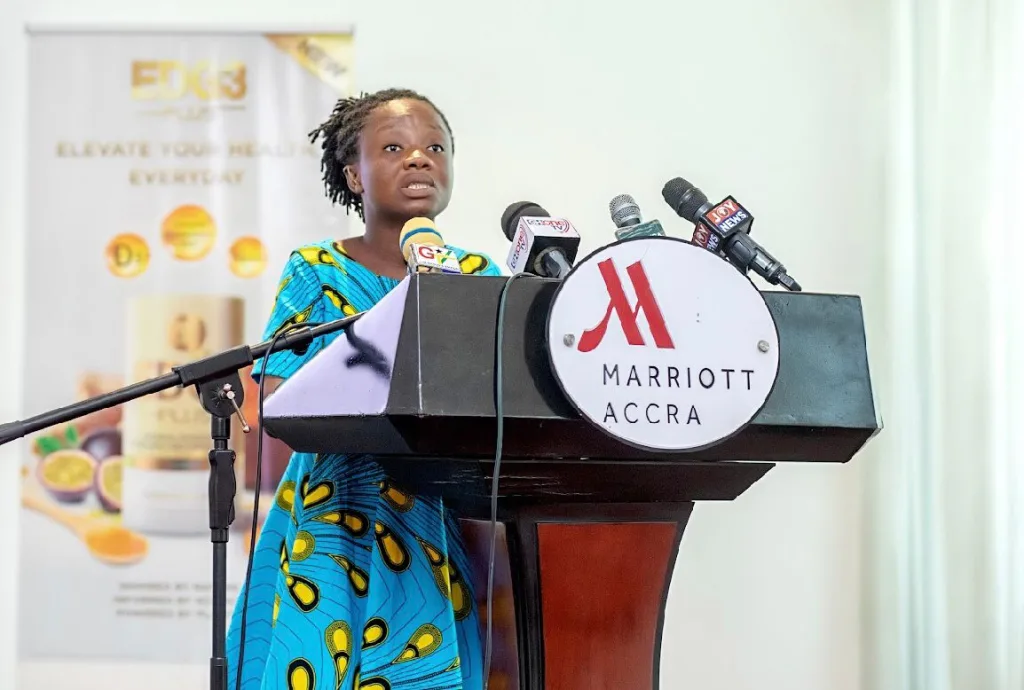
The Fair Wages and Salaries Commission (FWSC) is engaging Chief Executives and leadership of state-owned enterprises over the commission’s transition to the Independent Public Emoluments Commission.
The engagement was to explain what the transition means for the finances and remuneration packages of SOEs as well as solicit input from the CEO’s in the preparation of the draft bill which will soon be sent to parliament.
The meeting, held on Thursday, September 25, 2026, brought together CEOs, Deputy CEOs, Directors of Finance and Human Resources of over 100 SOEs, as well as representatives from the State Interests and Governance Authority (SIGA), Development Partners and the media.

It formed part of the FWSC’s nationwide stakeholder consultations following President John Dramani Mahama’s declaration of FWSC as an Institution in Transition in March this year. Speaking at the engagement, Chief Executive of the Fair Wages and Salaries Commission Dr George Smith Graham said SOEs remain a critical pillar of Ghana’s public sector wage bill and cannot be left out of the reforms. He explained that the current remuneration system is fragmented, with wide disparities and frequent industrial relations tensions, particularly within the SOE sector.
“The new IPEC will provide an independent, professional and evidence-based framework for determining all public sector emoluments, including SOEs, while ensuring fiscal sustainability and equity,” he stated.
During the engagement, some CEOs raised concerns about how the new system will affect existing Collective Agreements, and the level of autonomy Boards will have in determining market premiums.
In response, Dr Smith-Graham assured them that IPEC will not destroy performance-based incentives but will rather sanitize and harmonize them under a National Emoluments Policy and a National Negotiation Framework.
He said the reform will also introduce a modern nationwide Job Evaluation exercise to establish fair grading and relativity across the public service, and a National Productivity Framework to link pay to performance.
‘IPEC is not intended to weaken the role of boards of SOE’s or impose the same remuneration on every CEO. Boards will continue submitting proposals for remuneration based on evidence’, Dr Smith-Graham noted.
Minister of Labour, Jobs and Employment Emmanuel Kwadjwo Agyekum who was present at the engagement explained the case of article 71 office holders indicating that the transition will not affect them until a referendum is held as part of the constitution review process.
“We know it has to go through a process…,” he clarified.
The sector minister said Government is not importing a foreign model but wants a home-grown, sustainable system built through broad stakeholder consultation.
“This is not coming to take your powers… We want you to support, we want you to contribute, we want you to give any other input that will be able to help us to bring in something that is new. Let it be the best system,” he added.
Mr. Agyekum assured participants that President John Dramani Mahama is in full support of the reforms and called on SOEs not to hold back their views.
Inputs from the SOE engagement will be incorporated into the final draft IPEC Bill, which is expected to be laid before Parliament before the end of October 2026.