
The Green Climate Fund (GCF) had unlocked more than US$4 billion in additional resources for climate investments, with Africa expected to receive about 40 percent of the funding.
The Fund’s Regional Director for Africa, Catherine Koffman, said the new resources could provide a major boost to climate action on the continent, but African countries needed to develop stronger pipelines of investment-ready projects to take advantage of the financing.
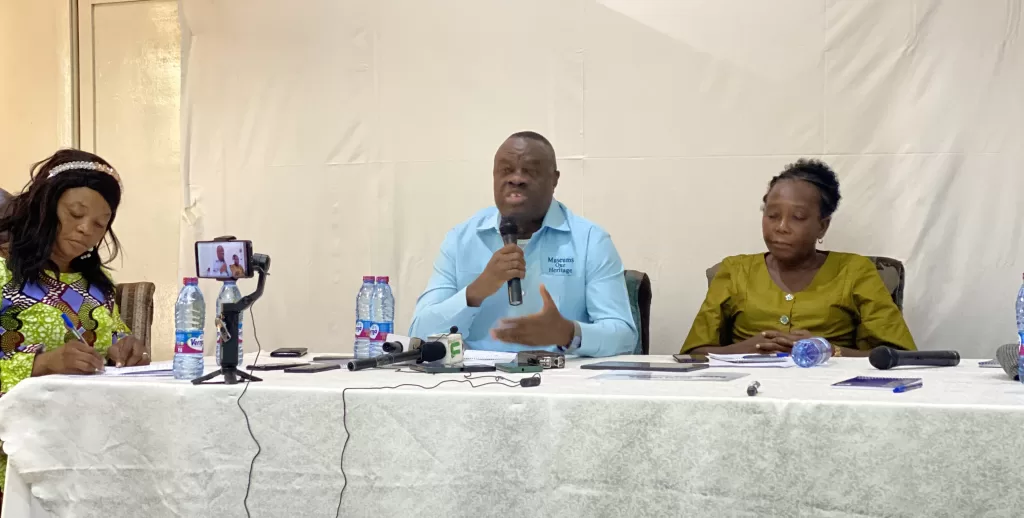
She made the disclosure in an interview with GBC during the GCF Regional Dialogue for West and Central Africa in Accra.
The GCF had approved about US$20 billion for climate investments globally over the previous decade, of which US$7.6 billion had gone to Africa.

Ms Koffman said the figures showed that Africa had been at the centre of the Fund’s investment strategy, although the scale of climate needs on the continent meant much more financing was required.
“From a GCF portfolio perspective, Africa actually receives 40 percent of all GCF funding. We’ve funded 20 billion dollars of funding so far in the last 10 years. Of that, 7.6 billion has gone to Africa. So Africa is enjoying quite a substantial sum. However, we need more. The demand is huge.”
The new funding was expected to build on that investment, with Africa potentially receiving another 40 percent.
“We have unlocked an additional over four billion dollars to invest in the next year or so. And Africa will also get, hopefully again, 40 percent of that,” Ms Koffman said.
But the GCF’s approach, she explained, was not to simply provide the full cost of climate projects. Its financing was intended to reduce risks and encourage other investors to come in with additional resources.
“Our funding is supposed to be catalytic. Our funding is supposed to trigger, like, three times, four times, five times what we give, because our funding only comes in to mitigate risk. So risk that someone else can’t take, especially private sector.”
That approach makes the ability of African countries to develop bankable projects particularly important.
Ms Koffman said the GCF had therefore continued to invest in readiness support and project preparation, helping countries strengthen institutions and develop the capacity to build a pipeline of projects capable of attracting larger investments.
The Fund had provided about US$740 million globally through its readiness programme, including about US$250 million for Africa.

Ghana, Mali, Burkina Faso and Nigeria were among the countries receiving new readiness grants. The amounts varied according to the needs and proposals of the individual countries, with Ghana receiving US$3 million.
Ms Koffman said the importance of the readiness funding went beyond the initial amount provided.
“The thing about readiness is it might seem like a small amount, but if you put three million of readiness into something, you can unlock six billion dollars of funding.”
The GCF was also changing the way it operated in Africa.
The Fund had established regional offices in Abidjan, Côte d’Ivoire, and Nairobi, Kenya, as part of efforts to decentralise its operations and bring decision-making and expertise closer to the countries it served.
Abidjan was to serve West, North and Central Africa, while Nairobi was to serve Eastern and Southern Africa.
Ghana had also bid to host a regional office but was not successful.
Ms Koffman said the decentralisation was necessary because the GCF’s headquarters in South Korea was too far removed from the realities of many of the countries seeking climate finance.
“We are based in South Korea. It’s a very, very long way from Africa, and we wanted to be closer to the countries. We started to decentralize internally. So we have now four different regions, as opposed to everybody does everything. So it creates focus. It also creates expertise within the regions.”
She said being closer to countries would help the GCF understand local market conditions and reduce the time taken to move projects from initial concepts to funding decisions.
“It’s really to be closer to the countries, to serve them better, to be closer to market realities, to shorten the time between somebody bringing us a concept note, to design, developing, and the funding proposal, and then going to board.”
The regionalisation formed part of wider reforms aimed at addressing concerns over the complexity and speed of the GCF’s processes.
Ms Koffman acknowledged that the Fund had previously GCF unlocks more than US$4bn to boost climate investments in Africa
The Green Climate Fund (GCF) had unlocked more than US$4 billion in additional resources for climate investments, with Africa expected to receive about 40 percent of the funding.
The Fund’s Regional Director for Africa, Catherine Koffman, said the new resources could provide a major boost to climate action on the continent, but African countries needed to develop stronger pipelines of investment-ready projects to take advantage of the financing.
She made the disclosure in an interview with GBC during the GCF Regional Dialogue for West and Central Africa in Accra.
The GCF had approved about US$20 billion for climate investments globally over the previous decade, of which US$7.6 billion had gone to Africa.
Ms Koffman said the figures showed that Africa had been at the centre of the Fund’s investment strategy, although the scale of climate needs on the continent meant much more financing was required.
“From a GCF portfolio perspective, Africa actually receives 40 percent of all GCF funding. We’ve funded 20 billion dollars of funding so far in the last 10 years. Of that, 7.6 billion has gone to Africa. So Africa is enjoying quite a substantial sum. However, we need more. The demand is huge.”
The new funding was expected to build on that investment, with Africa potentially receiving another 40 percent.
“We have unlocked an additional over four billion dollars to invest in the next year or so. And Africa will also get, hopefully again, 40 percent of that,” Ms Koffman said.
But the GCF’s approach, she explained, was not to simply provide the full cost of climate projects. Its financing was intended to reduce risks and encourage other investors to come in with additional resources.
“Our funding is supposed to be catalytic. Our funding is supposed to trigger, like, three times, four times, five times what we give, because our funding only comes in to mitigate risk. So risk that someone else can’t take, especially private sector.”
That approach makes the ability of African countries to develop bankable projects particularly important.
Ms Koffman said the GCF had therefore continued to invest in readiness support and project preparation, helping countries strengthen institutions and develop the capacity to build a pipeline of projects capable of attracting larger investments.
The Fund had provided about US$740 million globally through its readiness programme, including about US$250 million for Africa.
Ghana, Mali, Burkina Faso and Nigeria were among the countries receiving new readiness grants. The amounts varied according to the needs and proposals of the individual countries, with Ghana receiving US$3 million.
Ms Koffman said the importance of the readiness funding went beyond the initial amount provided.
“The thing about readiness is it might seem like a small amount, but if you put three million of readiness into something, you can unlock six billion dollars of funding.”
The GCF was also changing the way it operated in Africa.
The Fund had established regional offices in Abidjan, Côte d’Ivoire, and Nairobi, Kenya, as part of efforts to decentralise its operations and bring decision-making and expertise closer to the countries it served.
Abidjan was to serve West, North and Central Africa, while Nairobi was to serve Eastern and Southern Africa.
Ghana had also bid to host a regional office but was not successful.
Ms Koffman said the decentralisation was necessary because the GCF’s headquarters in South Korea was too far removed from the realities of many of the countries seeking climate finance.
“We are based in South Korea. It’s a very, very long way from Africa, and we wanted to be closer to the countries. We started to decentralize internally. So we have now four different regions, as opposed to everybody does everything. So it creates focus. It also creates expertise within the regions.”
She said being closer to countries would help the GCF understand local market conditions and reduce the time taken to move projects from initial concepts to funding decisions.
“It’s really to be closer to the countries, to serve them better, to be closer to market realities, to shorten the time between somebody bringing us a concept note, to design, developing, and the funding proposal, and then going to board.”
The regionalisation formed part of wider reforms aimed at addressing concerns over the complexity and speed of the GCF’s processes.
Ms Koffman acknowledged that the Fund had previously been criticised for being cumbersome and bureaucratic.
“In the past, we were known as a very complicated entity. Our processes were very heavy, very cumbersome, very bureaucratic. So what we’ve tried to do is provide a lot more simplicity and transparency.”
She said the accreditation process, which could previously take as long as five years, had been reduced to about nine months or less.
The time taken to move an investment idea from a concept note to a funding proposal had also been reduced from about three years to nine months or less.
The Fund had further introduced a project-specific assessment mechanism, allowing an institution to submit at least one project for consideration while its accreditation was being processed.
Ms Koffman said the reforms were intended to make the GCF a more transparent and agile organisation.
However, the question of whether African countries should take on more loans to finance climate action remained a concern, particularly given the continent’s debt pressures.
Ms Koffman acknowledged that grants remained important for Africa, especially for adaptation projects that did not necessarily generate revenue.
“We understand for Africa, especially with such a high adaptation focus, revenue streams aren’t readily available, like for energy projects. We understand that we still need grants. And grants in Africa is not a preference. It’s a structural issue.”
She said the GCF’s concessional loans were among the cheapest available, but the Fund was also developing alternative mechanisms to address the debt burden.
One such option was debt-for-climate swaps, which could allow countries to reduce debt obligations while directing resources towards climate investments.
“We’re coming up with products like debt for climate swaps, where we pay you to pay off your debt, and you use that money to implement a climate finance investment, you know, to alleviate the debt obligation and debt servicing for African countries.”
Ms Koffman stressed that the Fund’s intention was not to worsen the financial difficulties facing African countries.
“Our intention is never, never to cause more hardship to the countries that we serve.”
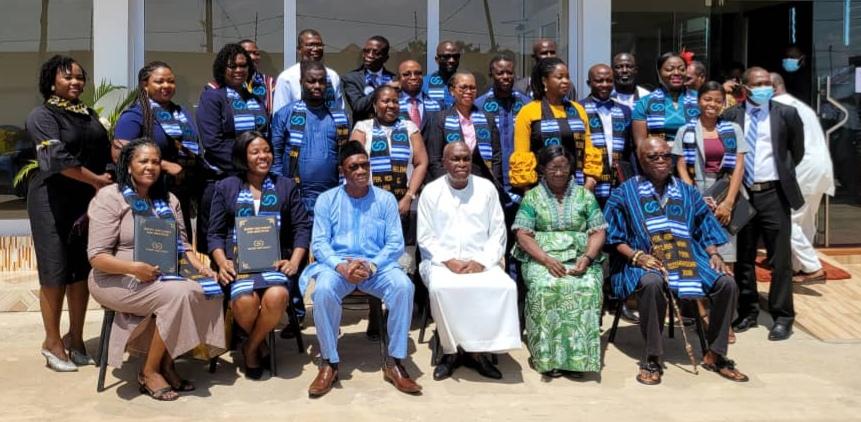
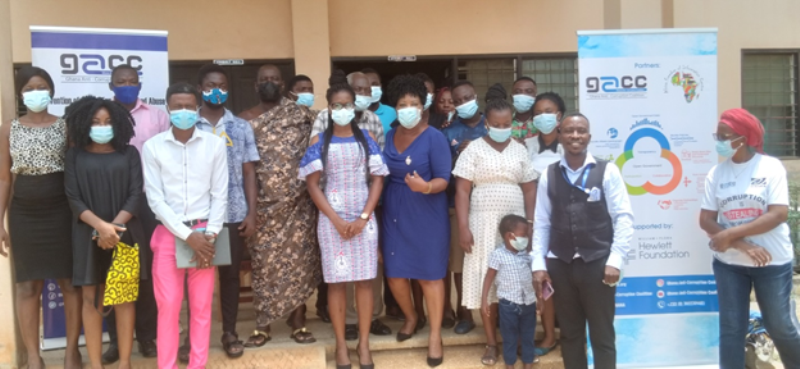
The GCF Regional Dialogue in Accra brought together government officials, finance ministries, accredited entities, private-sector representatives and development partners to discuss ways of improving access to climate finance and building stronger pipelines of climate investments across West and Central Africa.
JOYCE GYEKYE — GBC been criticised for being cumbersome and bureaucratic.
“In the past, we were known as a very complicated entity. Our processes were very heavy, very cumbersome, very bureaucratic. So what we’ve tried to do is provide a lot more simplicity and transparency.”
She said the accreditation process, which could previously take as long as five years, had been shortened to about nine months or less.
The time taken to move an investment idea from a concept note to a funding proposal had also been reduced from about three years to nine months or less.
The Fund had further introduced a project-specific assessment mechanism, allowing an institution to submit at least one project for consideration while its accreditation was being processed.
Ms Koffman said the reforms were intended to make the GCF a more transparent and agile organisation.
However, the question of whether African countries should take on more loans to finance climate action remained a concern, particularly given the continent’s debt pressures.
Ms Koffman acknowledged that grants remained important for Africa, especially for adaptation projects that did not necessarily generate revenue.
“We understand for Africa, especially with such a high adaptation focus, revenue streams aren’t readily available, like for energy projects. We understand that we still need grants. And grants in Africa is not a preference. It’s a structural issue.”
She said the GCF’s concessional loans were among the cheapest available, but the Fund was also developing alternative mechanisms to address the debt burden.
One such option was debt-for-climate swaps, which could allow countries to reduce debt obligations while directing resources towards climate investments.
“We’re coming up with products like debt for climate swaps, where we pay you to pay off your debt, and you use that money to implement a climate finance investment, you know, to alleviate the debt obligation and debt servicing for African countries.”
Ms Koffman stressed that the Fund’s intention was not to worsen the financial difficulties facing African countries.
“Our intention is never, never to cause more hardship to the countries that we serve.”
The GCF Regional Dialogue in Accra brought together government officials, finance ministries, accredited entities, private-sector representatives and development partners to discuss ways of improving access to climate finance and building stronger pipelines of climate investments across West and Central Africa.