
By Melissa Sackey
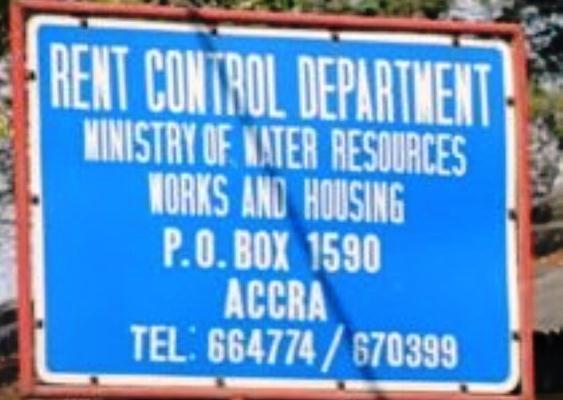
The directive by the Rent Control Department ordering hostel operators to refund excess rent charges to students has sparked debate over accommodation affordability, the cost of running private hostels and the responsibility of government to protect tenants.
The department has given the University of Ghana Enterprise Limited (UGEL) and private hostel operators until November 17 to comply with the directive.
Speaking on GTV’s Breakfast Show, Deputy Director-General of the National Service Authority Fuseini Donkor, who represented the government and the NDC in the discussion, defended government’s efforts to ease the financial burden on students, citing subsidies covering some university expenses, including tuition and electricity.
He argued that the impact of the exchange rate on the cost of goods and services should also be considered when assessing the cost of living.
“If not for the exchange rate, do you know where the prices of goods and services would have been? Is the whole country about Free SHS?” he questioned.
However, member of NPP legal directorate, Ross Osei Owusu Esq., raised concerns about the financial sustainability of hostel businesses, arguing that compelling operators to reduce their charges could make it difficult for them to remain operational.
He maintained that the conversation should go beyond headline inflation figures to consider how economic conditions translate into the everyday experiences of ordinary Ghanaians.
“It is not about the inflation figure, but the translation of that in the life of the ordinary Ghanaian,” he said.
Director of Communications, United Party Solomon Owusu, Director of Communications, United Party, criticised what he described as a lack of discipline within university institutions, arguing that tertiary institutions must demonstrate the standards of governance and accountability expected of them.
He said universities were expected to shape society through their programmes and institutional structures, but expressed concern that some appeared to be operating without sufficient regard for established rules.
“The governance architecture of this country is replicated in our various institutions. All programmes done in our universities reflect the governance structure of this country, so they are supposed to be the acclaimed institutions that will shape society, but they seem to be lawless, from where I sit,” he stated.
The discussion highlights the competing concerns surrounding student accommodation, particularly the need to protect students from excessive rent charges while ensuring that hostel operators can meet their operational costs.
With the November 17 deadline approaching, attention is now on whether UGEL and private hostel operators will comply with the Rent Control Department’s directive and refund the excess charges.

























































