By Nana Karikari, Senior Global Affairs Correspondent
The West African Examinations Council (WAEC) attributes the recent decline in student performance in English Language to persistent weaknesses in grammar, poor reading habits, and the influence of informal language.
The pass rate for this subject dropped from 69% in 2025 to 62.40% in 2026 in the West African Senior School Certificate Examination (WASSCE).
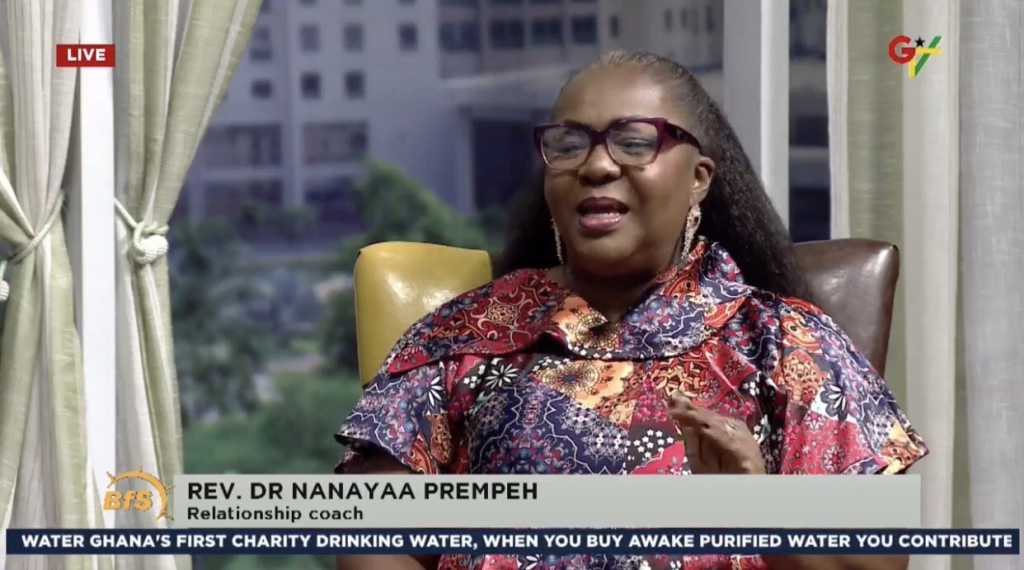
Head of Public Affairs at WAEC Ghana, John Kapi, highlighted the primary issues during an interview on the Joy FM Super Morning Show.
The Chief Examiner report points to widespread structural flaws across candidate submissions. As Kapi noted, when looking at the Chief Examiner’s report, it talks about the candidates’ poor control of grammar. They also have an issue with expression. Additional observations include persistent grammatical disagreements and basic orthographic errors. The concord is always a problem, and their spelling, simple spelling errors occur in a lot of their writing.
Comprehension and reading habits
Beyond mechanical errors, examination officials identified severe deficiencies in reading comprehension and analytical capability. Many students struggle to interpret and break down assigned reading passages under test conditions.
According to Kapi, the texts that candidates are supposed to read and analyse, most of them do not have a grasp of the texts and so they are unable to do a proper analysis of the text that they are supposed to have read. This shortfall stems directly from a deteriorating reading culture among youth.
Educators argue that consistent literature engagement remains foundational for language acquisition. Emphasizing this developmental need, Kapi explained that there is also this lack of reading culture, noting that reading is one of the major areas where you can pick up language, whether you like it or not.
Regular text interaction expands lexical resources and sentence formulation abilities. Through books and articles, students build our vocabulary, build our sentence structure, we’re able to even gather a lot more information, knowledge that we add to whatever we know.
Digital slang and pidgin influence
While examination authorities refrained from drawing definitive conclusions regarding digital platforms without empirical research, observers noted concerning linguistic trends. Informal writing conventions frequently cross over from digital spaces into formal academic assessments.
Although Kapi clarified that he did not have evidence to support a direct causal link with social media, examiners consistently find shorthand expressions in test scripts. What I’m saying is that these things that we find in the social media space also find their way into the candidates’ writings, including contracted forms typical of text messaging and mobile chat applications.
Additionally, the extensive regional use of Pidgin English compounds the challenge for learners who lack robust exposure to standard grammar in daily life.
Generally, English Language has been a problem over the years, and one of the things that we’ve had a problem with is the use of Pidgin. Language mastery relies heavily on active, correct deployment. The more you use it, the more proficient you become in it. Overcoming these systemic hurdles requires a collaborative approach involving educators, learners, and supportive home and school environments to reinforce standard linguistic practices.
Balancing institutional reform and regional linguistic realities remains essential as stakeholders chart a sustainable path forward for educational excellence. Adding this final neutral synthesizing thought rounds out the reporting by maintaining absolute balance, adhering cleanly to top-tier journalistic standards without injecting subjective bias.