
By Joyce Kantam Kolamong
Civil Society Organizations working in education have called for enhanced investment to tackle critical gaps in education delivery and ensure that no Ghanaian child is left behind.
The call was contained in a communiqué issued at the end of a Dialogue and Joint Advocacy Planning Session held in Tamale.
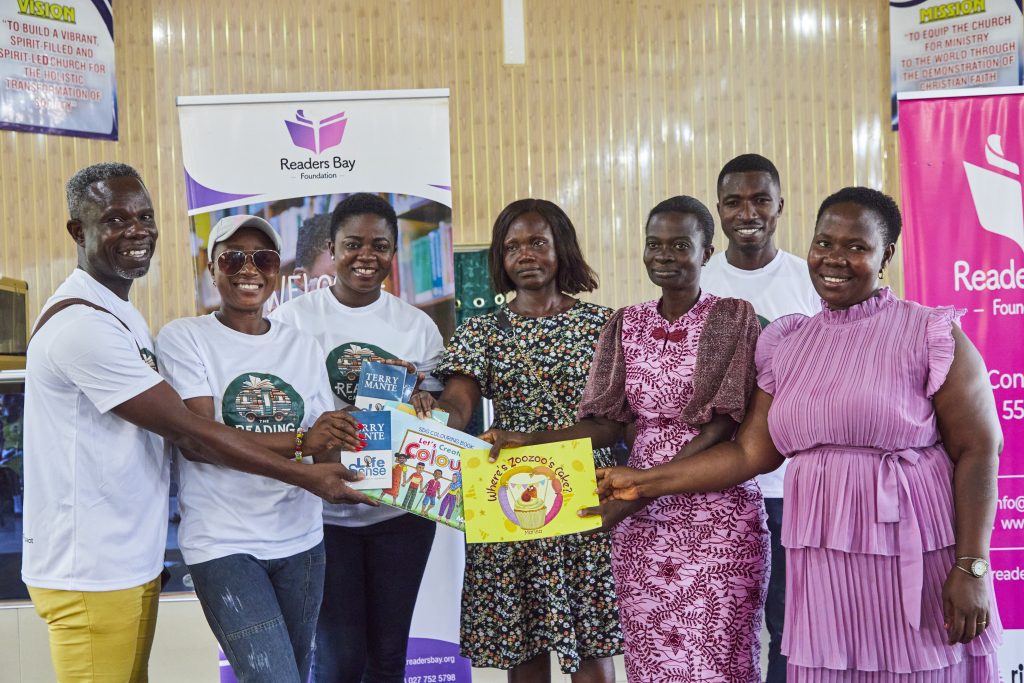
The Dialogue was organized by School for Life in collaboration with the Northern Network for Education Development, NNED, under the Citizens-led Actions for Educational Accountability and Responsiveness, CLEAR Project.
Participants acknowledged progress in areas such as Capitation Grant predictability, school feeding and the Free Sanitary Pad programme, but stressed that major inequities persist.
According to the CSOs, about 10,600 schools still operate under trees, sheds and other unapproved structures, while teacher surpluses in urban areas coexist with severe shortages in rural and deprived communities. These gaps disproportionately affect girls, children with disabilities, Fulbe children and learners in remote areas.

While noting that education allocation increased to 49 billion Ghana cedis in 2026 from 42 billion cedis in 2025, the CSOs raised concerns about allocative equity and whether financing reaches schools with the greatest needs.
The communiqué therefore resolved to push for equity-responsive financing, equitable teacher deployment, improved learning outcomes, and the incorporation of mother tongue in teaching and learning at the basic level.
It also called on the Ministry of Education and Ghana Education Service to develop a transparent, data-driven teacher deployment framework, publish a costed curriculum implementation plan before nationwide rollout, and finalize the revised Inclusive Education Policy.
The CSOs further urged the Ministry of Finance, GETFund and the District Assemblies Common Fund to ensure that deprivation and infrastructure deficits inform allocation of resources.
The Dialogue reaffirmed commitment by participating CSOs to move from fragmented advocacy to stronger coordination around a common agenda to promote quality basic education for all.