
By Love Wilhelmina Abanonave
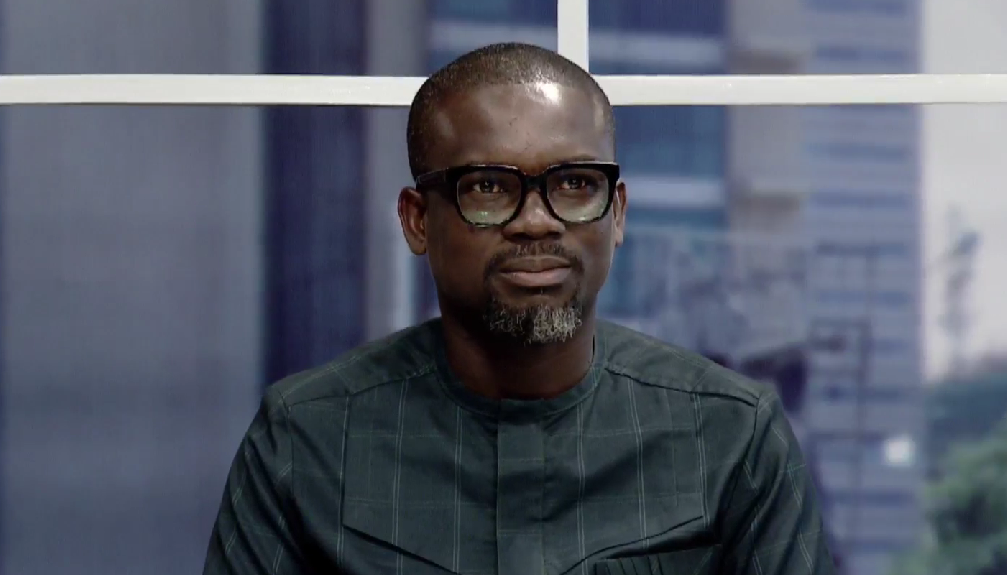
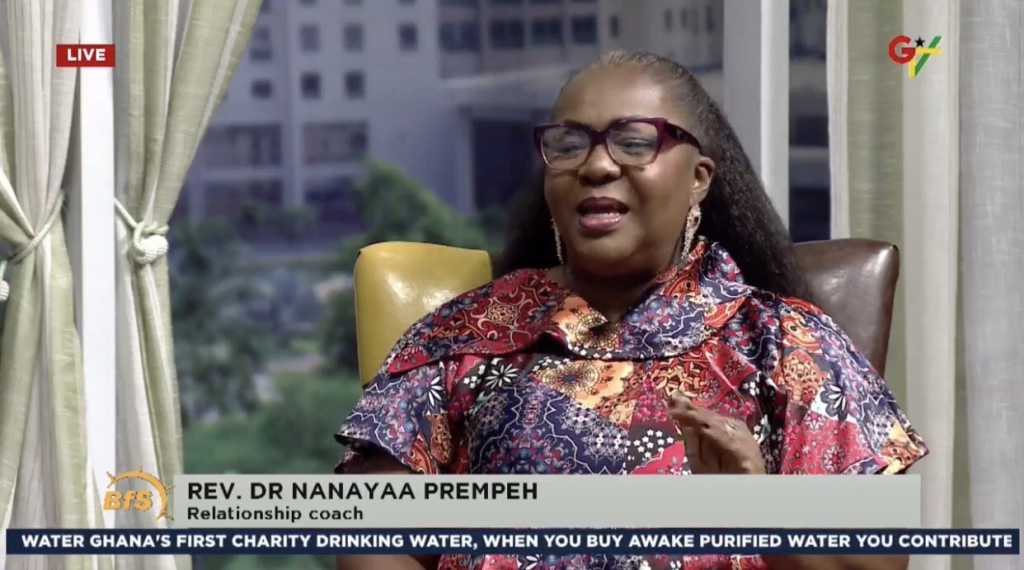
Field Operations Officer of the United Party (UP), Hopeson Adorye, has attributed what he described as the poor academic performance of Ghanaian students to excessive use of mobile phones and social media, particularly TikTok.
Mr Adorye said many students were finding it difficult to compete academically with their peers from other countries because they spent more time on their phones than studying.
“Our kids are now glued to phones. When they are supposed to learn, they will be creating TikTok videos. That is why they are failing the WASSCE. So instead of learning, they will be on TikTok and we see it as normal, but it’s not,” he said.
Mr Adorye made the remarks during a discussion on falling educational standards and the growing influence of social media on young people on the GTV Breakfast Show on Thursday, September 10, 2026.
He said excessive phone use among students had become normalised in many Ghanaian homes, with parents and guardians paying little attention to the amount of time children spend online.
According to him, some students now prioritise creating content, following trends and seeking likes on TikTok over revising their notes and preparing for examinations.
He argued that the misplaced priorities were reflected in WASSCE and other external examination results, which he said continued to raise concerns among education stakeholders.
The politician also questioned the quality of graduates being produced by the country’s education system, saying deficiencies were evident even in basic academic writing.
“Give a graduate a topic to write on and see the mistakes he will write,” he stated, attributing the problem to a lack of reading and overdependence on phone abbreviations and social media slang.
Mr Adorye called for a concerted effort by parents, teachers and policymakers to regulate phone use among school-going children, enforce discipline in schools and encourage young people to use technology more productively for learning.
He urged parents to monitor their children’s phone use and restrict access during learning hours. He also called on the Ministry of Education and the Ghana Education Service to intensify public education on the responsible use of social media among students.
He warned that if the trend was not addressed, Ghana risked producing a generation that was technologically exposed but academically weak and unable to compete in the global knowledge economy.
WASSCE results
The West African Examinations Council (WAEC) released the provisional 2026 WASSCE results on September 5, 2026.
A total of 512,862 candidates from 1,022 schools registered for the examination, comprising 225,270 males and 287,592 females. This represented an 11.07 per cent increase from the 461,736 candidates who sat the examination in 2025.
WAEC said 5,049 candidates, representing 0.98 per cent, were absent.
The Council cancelled or withheld the results of 8,295 candidates over various examination-related offences.
Subject results of 7,434 candidates were cancelled for bringing foreign materials, including prepared notes and textbooks, into examination halls, while the entire results of 861 candidates were cancelled for possessing mobile phones in the examination hall.