
By Love Wilhelmina Abanonave
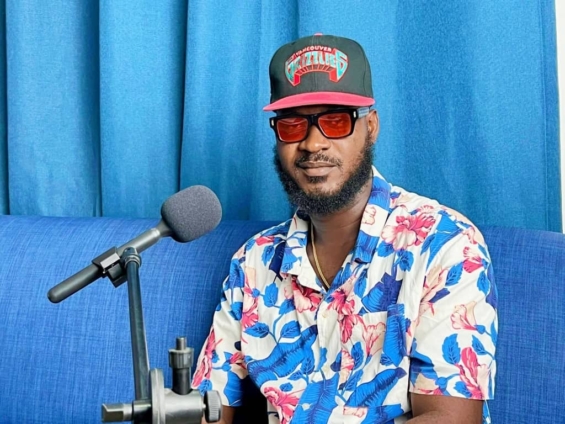
Founder of the Focus on Sickle Cell Foundation (FoSCel), Amos Andoh, has urged young women to prioritise genotype awareness in relationships, advising them to ask prospective partners about their genotype early in the relationship.
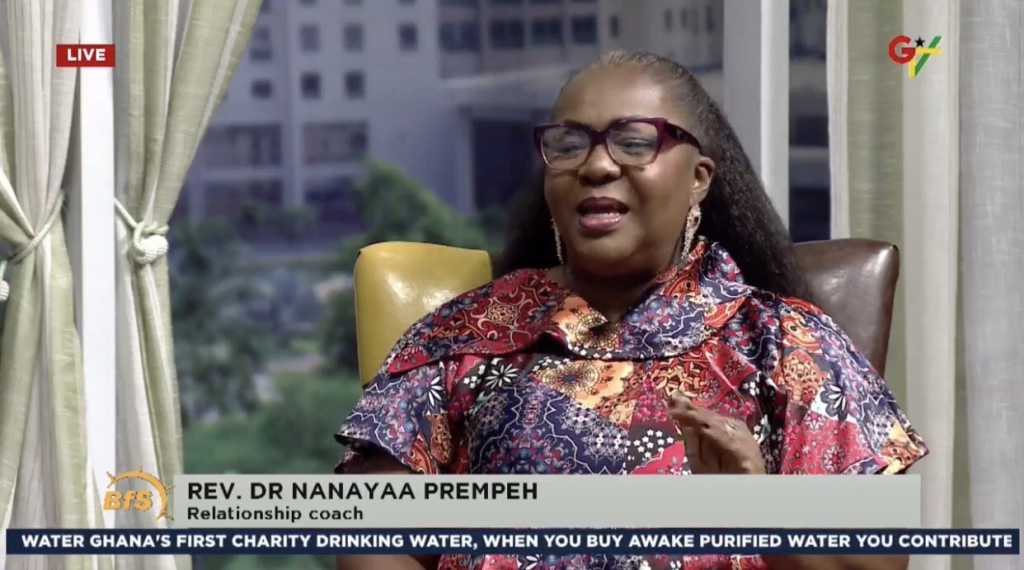
Mr Andoh, who is a sickle cell warrior himself, made the call on the GTV Breakfast Show on Wednesday, September 9, as Ghana joins the global community to mark Sickle Cell Awareness Month.
“As a lady, the first question to ask a guy that has approached you is to ask about his genotype, not his favourite colour,” he stressed.
He said early awareness of genotype compatibility could help couples make informed decisions about having children and reduce the risk of sickle cell disease in offspring.
According to Mr Andoh, many young people tend to focus on less important questions when they meet prospective partners while overlooking issues such as genotype.
He said genotype awareness should not be reserved for couples preparing for marriage but should form part of health education and informed decision-making among young people.
Mr Andoh said many parents of children with sickle cell disease were unaware of their genotype compatibility before starting families. He described such ignorance as “very poisonous” and called for greater education on genotype testing.
He also lamented the stigma, misconceptions and lack of understanding surrounding sickle cell disease.
He said people living with the condition often experience painful crises, frequent hospital admissions, high medication costs and discrimination at schools and workplaces, while also facing inadequate support.
As part of this year’s awareness activities, FoSCel is engaging the public through media discussions, school outreach programmes, health screening, counselling sessions and advocacy activities.
The foundation will also provide genotype testing for the first 100 people who attend its public events.
Mr Andoh urged people living with sickle cell disease to keep warm, stay hydrated, take their prescribed medication regularly and seek prompt medical attention at the first signs of a crisis.
He also encouraged Ghanaians to show greater empathy and support towards people living with the condition.