
By Love Wilhelmina Abanonave
The Founder and Executive Director of Focus on Sickle Cell Foundation (FUSO Foundation), Amos Andoh, has called for the inclusion of sickle cell disease education in Ghana’s national curriculum as part of long-term efforts to reduce the prevalence of the condition.
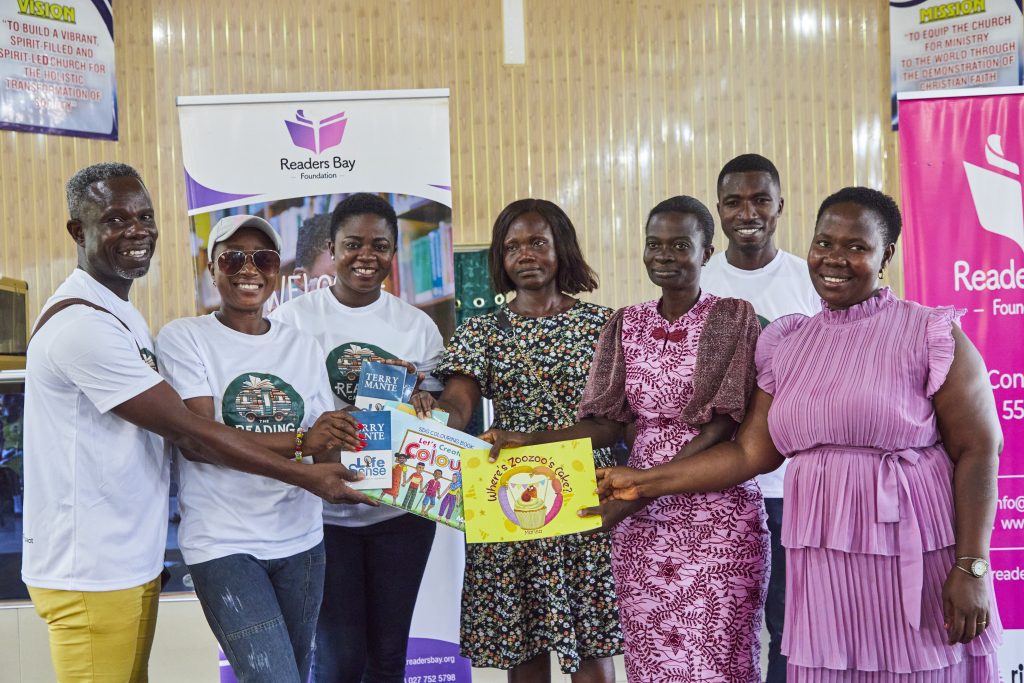
The Foundation has submitted educational materials on sickle cell disease to the National Council for Curriculum and Assessment (NaCCA) to support the proposed inclusion.
Speaking after the presentation in Accra on Monday, September 29, 2026, Mr Andoh said sickle cell awareness, treatment and education should not be left to the government alone but should involve all stakeholders.
He said although FUSO Foundation is a non-governmental organisation, it considers issues related to national priorities, particularly public health, as areas in which it should contribute.
Earlier this year, the Foundation submitted a proposal to the Ministry of Education, the Ghana Education Service (GES), the Parliamentary Select Committee on Education and NaCCA, calling for sickle cell disease education to be incorporated into the national curriculum.
“Our request to them was to help us include education on sickle cell disease in our national curriculum,” he said.
Mr Andoh said sickle cell disease significantly affects the lifestyle and well-being of people living with the condition, often limiting their participation in certain activities and exposing them to lifelong health challenges and pain.
He said the Foundation had developed comic-based educational material using illustrations and simple messages to make information about sickle cell disease more accessible to young people.
“We believe sometimes young people really get attracted when it comes to visuals and artworks. So when they see the pictures and the message associated with it, they will just get close to it and know what sickle cell is, the misinformation about the disease, the stereotyping, and how to support someone living with sickle cell,” he said.
According to him, the material provides information about sickle cell disease, genotype compatibility and the need to support people living with the condition.
Mr Andoh said early education was particularly important because young people could enter relationships without fully understanding the implications of genotype compatibility.
“Sometimes you can clearly see that when a youth grows up and develops love for each other, it’s very difficult for even a family member to advise them not to be together because love has set in. Some people even know their genotype, they know that they are not compatible, but still they will go for it,” he said.
He believes educating children before they enter relationships would help equip them with the knowledge to make informed decisions about relationships, marriage and childbearing.
Mr Andoh said the Foundation considered early education one of the key measures needed to reduce the incidence of sickle cell disease in Ghana.
He said data from the Ministry of Health, the Ghana Health Service and the World Health Organization showed the scale of the challenge.
“Their data shows that about 18,000 babies are born with sickle cell disease annually in Ghana. Imagine bringing pain to sickle cell patients and children who don’t even know anything about their well-being to come and suffer,” he said.

Mr Andoh stressed that parents did not intentionally give birth to children with sickle cell disease but said a lack of knowledge about genotype compatibility could contribute to the condition being passed on to children.
“A lot of parents who are having children living with sickle cell disease don’t even know anything about genotype compatibility before bringing forth a child like that,” he said.
He argued that sustainable prevention should begin with education at an early age.
“We believe education must start early. When we educate our younger generation about this whole sickle cell issue and genotype compatibility, they will grow up with the idea and know the fact that before you say ‘I do’, before you enter into a relationship or marriage, you know the person well enough that you are going to merge with to bring forth a healthy child without sickle cell disease,” he said.
Foundation’s work
Mr Andoh said the Focus on Sickle Cell Foundation was established out of his personal experience with the condition.
He disclosed that he lives with sickle cell genotype SC and is also a journalist by profession.
He said that while considerable awareness had been created around HIV/AIDS, breast cancer, malaria and reproductive health, education on sickle cell disease was limited when the Foundation began its work.
He expressed appreciation to the National Health Insurance Authority (NHIA), which he described as a key supporter of the Foundation’s awareness campaigns and efforts to promote genotype screening across the country.
He also commended the Ministry of Health and the Ghana Health Service for including sickle cell treatment under the National Health Insurance Scheme (NHIS).
He said medications including hydroxyurea, folic acid, pethidine, morphine and tramadol were either subsidised or provided free under the scheme.
Mr Andoh urged people living with sickle cell disease to maintain active NHIS membership to enable them to access healthcare at regional, district and teaching hospitals.
He said the Foundation would continue to advocate for improved sickle cell treatment, policy reforms and access to care, while also pushing for the inclusion of sickle cell education in the national curriculum.
The Foundation, he added, would continue supporting people living with the condition through treatment, mental health and counselling services.