
By Benjamin Nii Nai Anyetei
West Africa is stepping up efforts to prepare for future disease outbreaks through a new regional initiative aimed at strengthening medical research, accelerating clinical trials and improving access to vaccines, diagnostics and other life-saving medical interventions.
The Africa Research Preparedness Programme for West Africa, launched in Accra, seeks to connect research institutions across the region, address gaps in research coordination and enable countries to respond more rapidly and collectively to public health emergencies.
The programme is designed to address challenges that could delay critical interventions during outbreaks of infectious diseases such as Ebola, Mpox, Lassa fever and COVID-19.
Despite the presence of skilled scientists and established research institutions across Africa, preparedness remains uneven. Some clinical trial sites face difficulties transitioning from routine research activities to emergency responses when outbreaks occur.
The deadly Ebola outbreaks and other infectious disease emergencies have exposed weaknesses in West Africa’s ability to coordinate research, develop vaccines and diagnostics, and deliver essential medical interventions when they are needed most.
Experts say the challenge extends beyond emergencies, as research systems often lose momentum when outbreaks subside, leaving countries inadequately prepared for subsequent health threats.
Led by the Africa Centres for Disease Control and Prevention (Africa CDC), the programme brings together the Coalition for Epidemic Preparedness Innovations (CEPI), the International Vaccine Institute (IVI), the Medical Research Council Unit The Gambia at the London School of Hygiene and Tropical Medicine, and other regional and international health partners.
Other institutions involved include the African Medicines Agency, the World Health Organization’s Regional Office for Africa and Ghana’s Noguchi Memorial Institute for Medical Research.
The collaboration is expected to establish a common platform for institutions across West Africa to align research priorities, share scientific expertise, coordinate protocols and mobilise resources when outbreaks occur.
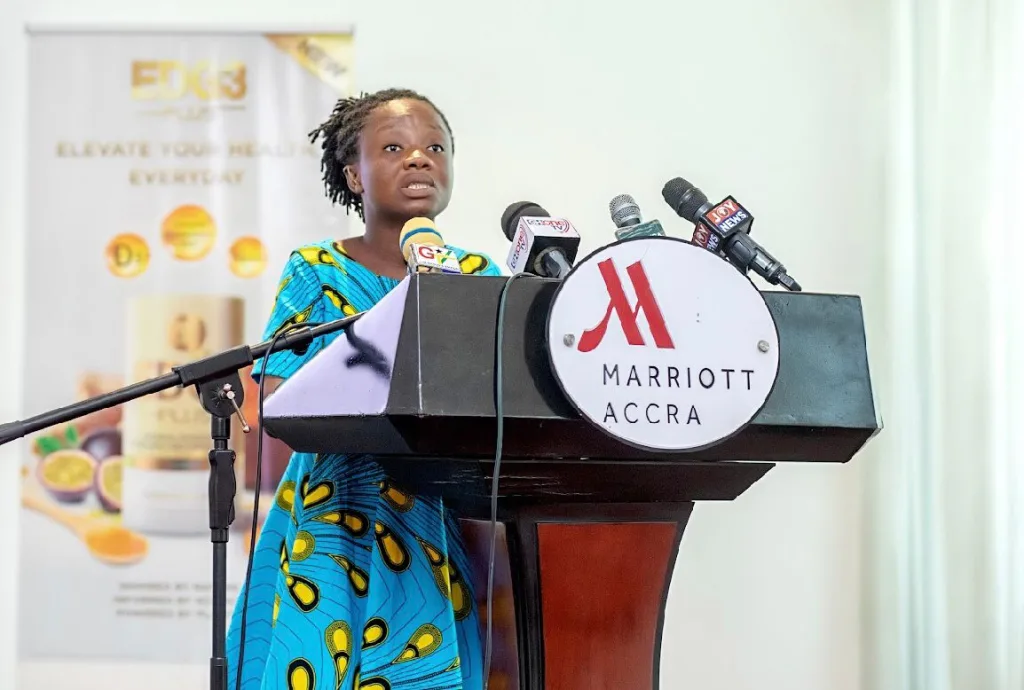
Speaking at the launch in Accra, the Head of Division for Research and Development and Clinical Trials Coordination at Africa CDC, Dr Elvis Temfack, said the region had considerable scientific expertise but faced challenges in translating research findings into products that could reach the people who needed them.
The initiative seeks to bridge that gap by strengthening clinical trial capacity and improving coordination among research institutions across all 15 West African countries.
Hub-and-spoke model to accelerate outbreak response
The programme will adopt a hub-and-spoke model to connect existing research capabilities and support coordinated action during public health emergencies.
The approach is intended to enable countries to work together on research protocols and evidence generation, reducing delays in initiating clinical studies when an outbreak occurs.
The Head of Africa Strategy and Engagement at CEPI, Shingai Machingaidze, said the initiative was designed to prepare countries for different infectious disease threats rather than concentrate on a single outbreak.
She said the region already had considerable research capacity but needed stronger collaboration to ensure countries could respond collectively to the same health emergency.
“We have the capacity. What we’re trying to make sure we do better is how we all work together to respond to the same outbreak,” she said.
Ms Machingaidze explained that the hub-and-spoke approach would build a coordinated regional capability, allowing participating countries to mobilise research expertise and resources more effectively.
She stressed that speed was essential during outbreaks and that countries could not respond rapidly without adequate preparation before emergencies occurred.
The programme aims to enable clinical research responses to be activated within 10 to 15 days of an outbreak, a target intended to reduce delays in generating the scientific evidence needed to guide emergency interventions.
Countries including Ghana, Nigeria and Burkina Faso are expected to benefit from stronger regional collaboration, allowing them to move beyond individual national efforts and develop a coordinated response to shared health threats.
West Africa selected as pilot region
The Director of the Noguchi Memorial Institute for Medical Research, Professor Dorothy Yeboah-Manu, said West Africa was selected as the pilot region because of its disease burden and the need to strengthen preparedness for infectious disease emergencies.
She emphasised the importance of coordinating research and mobilising resources before outbreaks occur rather than waiting until an emergency was already unfolding.
The programme is expected to strengthen links between research institutions, enabling them to agree on common protocols and prepare for clinical studies that may be required during public health emergencies.
This approach is particularly important for diseases such as Ebola and Lassa fever, which can place significant pressure on health systems and require rapid scientific investigation to support effective responses.
Clinical trials and vaccine development
The Associate Director-General of the International Vaccine Institute in South Korea, Birkneh Tadesse, highlighted the importance of operational research and clinical trials in developing vaccines and supporting responses to infectious disease outbreaks.
He noted that clinical research was an important part of efforts to improve preparedness and support interventions during emergencies, including Ebola outbreaks.
The involvement of the International Vaccine Institute is expected to contribute to efforts to strengthen clinical research capacity and support the development of vaccines and other interventions against emerging infectious diseases.
Experts say the availability of research facilities and skilled scientists does not automatically guarantee an effective emergency response. Without coordination, advance planning and systems that can be activated quickly, countries may struggle to turn scientific knowledge into timely interventions.
The Africa Research Preparedness Programme therefore seeks to ensure that research institutions can work together before, during and after outbreaks, rather than operate in isolation or mobilise their capabilities only when an emergency occurs.
Sustaining preparedness beyond emergencies
The effectiveness of the initiative will depend on sustained investment, clear coordination arrangements and the ability to translate research findings into practical public health interventions.
Experts say stronger research systems could help determine how quickly vaccines and diagnostic tools are developed, how effectively health authorities contain outbreaks and how many lives can be protected.
The target of activating clinical research responses within 10 to 15 days of an outbreak will be a key measure of the programme’s progress in closing the gap between existing research capacity and the urgent demands of an emergency.
By connecting research institutions, strengthening clinical trial capacity and promoting regional cooperation, the initiative seeks to establish a more coordinated and sustainable system for responding to future disease outbreaks across West Africa.