
By Amoako Kwame
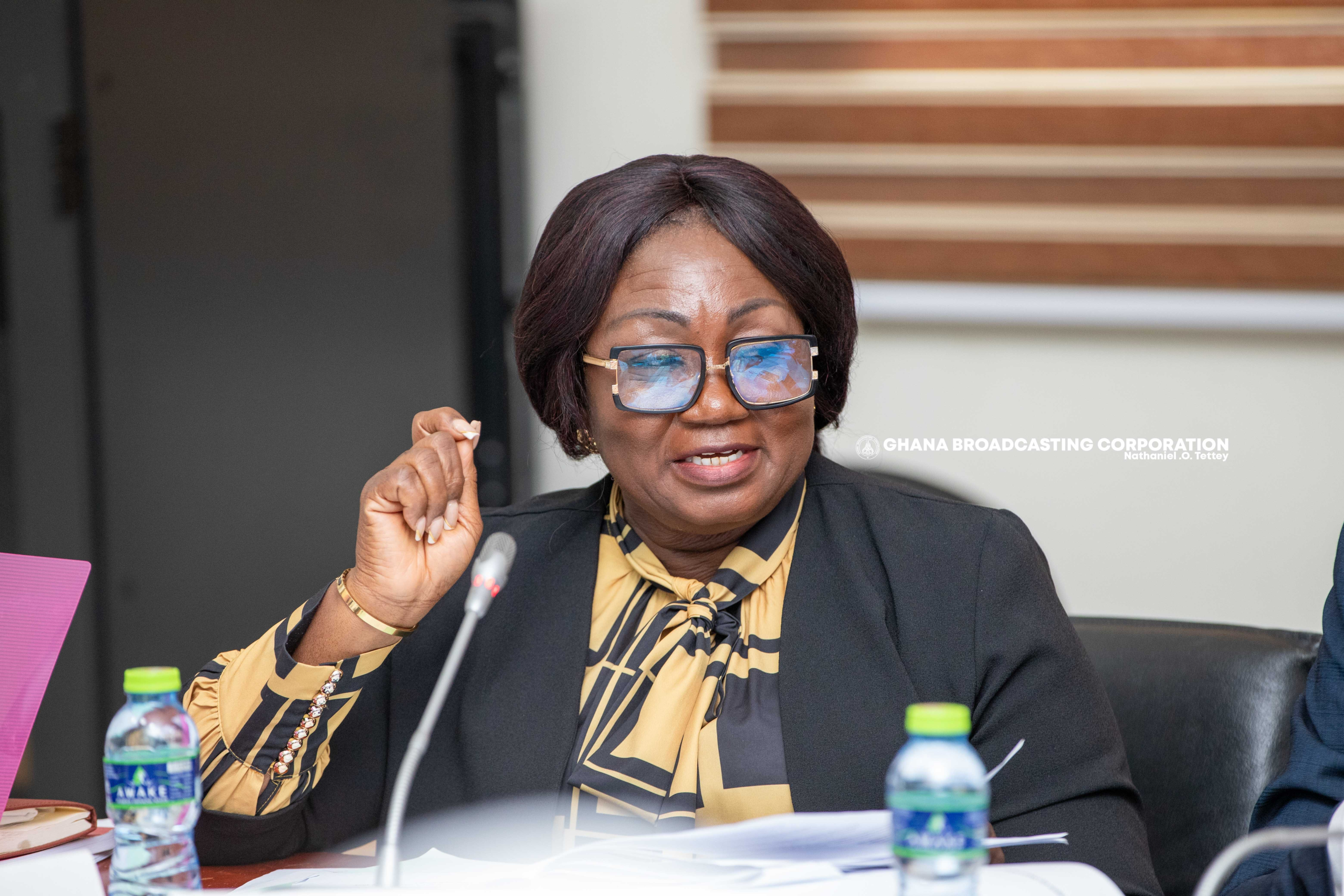
Deputy Minority Leader Patricia Appiagyei says she has returned GH¢70,000 sent to her by the Majority Chief Whip, citing concerns about the source of the money and her unwillingness to personally benefit from a parliamentary process involving the vetting of members of the Majority leadership.
The Asokwa MP said she was uncomfortable accepting the money because she had not been informed of its source and did not want to receive any financial benefit connected to the vetting of Majority Leader Mahama Ayariga and Deputy Majority Leader Zanetor Agyemang Rawlings.
In a memorandum dated September 2 and addressed to Minority Chief Whip Frank Annoh-Dompreh, with Minority Leader Alexander Afenyo-Markin copied, Mrs Appiagyei directed that the money be returned to the Majority Chief Whip.
She explained that her decision was primarily based on her lack of knowledge about the source of the funds.
Mrs Appiagyei also linked her decision to the Minority Caucus’ position on the vetting of three Supreme Court nominees, stressing that she did not intend to personally benefit from the process.
She further stated that she did not want to “extort any money” from any of the nominees.
The Deputy Minority Leader reaffirmed her support for the Minority Caucus’ decision to reject the vetting process and said her action was consistent with that of Mr Afenyo-Markin, who had also returned his share of the money.
Minority objects to vetting procedure
The development comes after the Minority Caucus boycotted the vetting of three Supreme Court nominees following objections to the procedure adopted by the Parliamentary Appointments Committee.
The nominees are Justice Sophia Rosetta Oduokuwa Bernasko Essah, Justice Edward Amoako Asante and Justice Anthony Forson Jnr.
The Minority walked out of the Appointments Committee proceedings on August 27, arguing that the nominees had been scheduled for vetting without sufficient notice.
Before the walkout, Mr Afenyo-Markin challenged the procedure adopted by the committee’s leadership, arguing that it was inconsistent with established parliamentary practice.
He questioned how the committee could proceed with the vetting of Supreme Court nominees after giving members only three days’ notice.
According to him, the standard practice was to provide 14 days’ notice and advertise the nominees in newspapers before the vetting.
He also referenced concerns previously raised by former Minority Leader Dr Cassiel Ato Forson over a similar situation involving the vetting of Supreme Court nominees after short notice.
Addressing the nominees before the Minority withdrew from the proceedings, Mr Afenyo-Markin stressed that the Caucus’ objection was not directed at the individuals but at the process adopted by the committee.
He said the Minority was opposed to the procedure and therefore could not participate in the vetting.
Mrs Appiagyei’s decision to return the GH¢70,000 adds another dimension to the Minority’s protest, highlighting her concerns about the source of the funds and her position that she should not personally benefit from a parliamentary process involving members of the Majority leadership.

























































