
By: Nana Karikari, Senior Global Affairs Correspondent
China is moving aggressively to shore up its massive financial system. Beijing is deploying tens of billions of dollars to reinforce key state-backed lenders and insurers.
This capital injection aims to counter severe domestic and international economic headwinds.
The Scale of the Financial Rescue
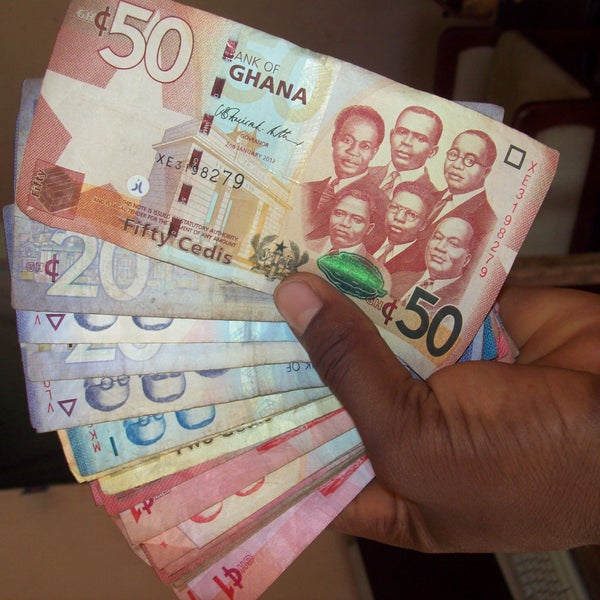
Led directly by the nation’s finance ministry, the sweeping fiscal rescue totals 360 billion yuan, equivalent to roughly $53.6 billion USD or 609 billion Ghana cedis.
State news agency Xinhua reported that the decisive policy intervention “will help further enhance their sound operating capabilities, risk resistance capabilities, and ability to serve the real economy.”
Major institutions designated for financial reinforcement include three primary banking giants alongside five prominent insurance providers. Specifically, the Industrial and Commercial Bank of China and the Agricultural Bank of China stand among the key beneficiaries alongside the China Export & Credit Insurance Corporation.
Defending Against Global and Domestic Pressures
Top leadership views financial security as a non-negotiable pillar of national security. State-run media outlet Global Times noted that this strategy “will give banks and financial institutions more resources to channel into credit for the real economy, while strengthening their ability to withstand external shocks at a time of global financial uncertainty.”
This urgent capital deployment arrives as Beijing confronts a complex matrix of structural vulnerabilities. Persistent trade tensions with Western nations, demographic strains from an aging population, a shrinking domestic workforce, and a prolonged property market slump continue to weigh heavily on growth prospects. Additionally, geopolitical fallout from the Iran war has driven up oil prices, creating fresh energy hurdles that compound existing domestic demand weaknesses.
Recalibrating Growth Targets Amid Expansion Slumps
Economic momentum decelerated significantly through the middle of the calendar year. Official gross domestic product figures released in July indicated that the broader economy expanded by just 4.3 percent during the second quarter, trailing behind Beijing’s yearly projections after a 5 percent increase in the opening quarter.
Earlier in March, state authorities adjusted the annual growth target downward to a range of 4.5 percent to 5 percent. Independent analysts suggest this adjustment represents the lowest economic expansion goal established since 1991, offering pragmatic policy room to acknowledge underlying structural weakness.
Navigating this delicate economic transition will require sustained fiscal calibration as policymakers attempt to balance structural reform with immediate growth stability.