By: Maltiti Sayida Sadick
Twelve companies have submitted bids for the management of Ghana’s soon-to-be reintroduced electronic road toll system, a key component of the government’s broader infrastructure initiative dubbed the “Big Push” agenda.
This was announced during the ‘Government Accountability Series held at the Presidency, under the leadership of Mr Felix Kwakye Ofosu, the Presidency Spokesperson and Minister of State for Government Communications.
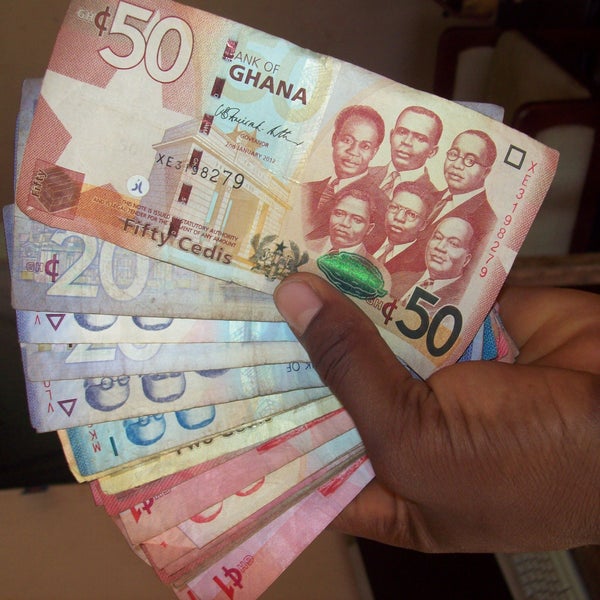
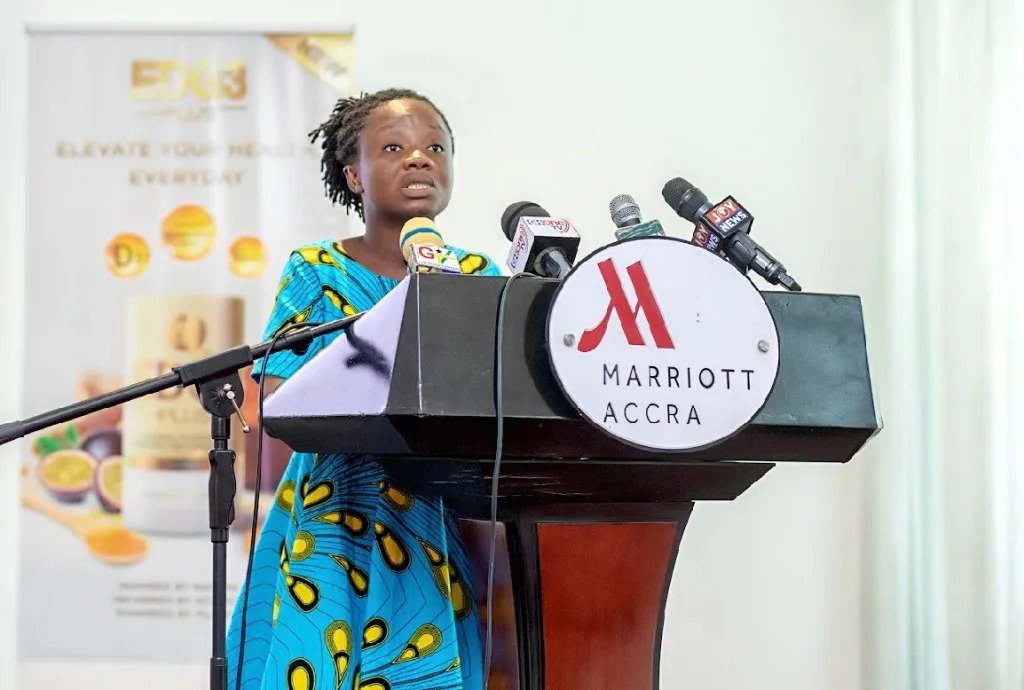
Speaking at the event, Minister for Roads and Highways, Mr Kwame Governs Agbodza, outlined extensive road infrastructure plans and policy shifts aimed at improving national connectivity, efficiency, and transparency in road management. Hon. Agbodza confirmed that the road and bridge tolls abolished in 2021 will soon be reintroduced under a new electronic tolling system.

This move is expected to eliminate leakages, enhance transparency and auditing, and ensure sustained funding for critical road maintenance.
“A public advertisement was made, and 12 firms have since submitted bids for the electronic tolling system,” the minister stated.
The new toll rates will be determined by Parliament, and a Road Management Trust Fund will be established to regulate how funds are allocated. This fund, he said, would be supervised under the office of the Chief Director, with the Road Maintenance Trust Fund Bill already passed by Parliament.
Major Road Projects Announced
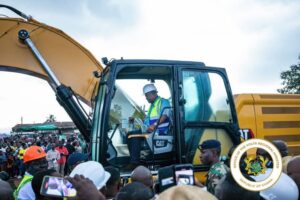
The minister also outlined a series of key road construction and rehabilitation projects across the country, which include:
• Bridge construction at Dambai
• Rehabilitation of the Wa–Hain road
• Complete reconstruction of the Wa–Bolgatanga road
• Dualization of the Cape Coast–Mankessim road
• Rehabilitation of roads in Afienya, Tema–Aflao, Oyibi–Afienyo
• Feasibility and design studies for Accra–Kumasi expressway realignment
• Tamale Outer Ring Road and Kumasi Outer Ring Road (100+ km)
According to the minister, the Kumasi Outer Ring Road is part of a broader plan to ease congestion by allowing commuters traveling northward to bypass central Kumasi entirely via Ejisu through Mampong. Other areas receiving attention include Navrongo, Tumu, Lawra, Techiman, Wenchi, Sawla, Atimpoku, Akwamufie, and Nakpanduri.
To support these projects, the government has already disbursed GHS 300 million to contractors working on the Ofankor project. Additionally, the Ministry of Finance has approved the recruitment of more experienced engineers to strengthen technical capacity at the Ministry of Roads and Highways.
“We urgently need more human resource capacity to match the scale of the work ahead,” Hon. Agbodza emphasized.
As Ghana prepares to modernize its road infrastructure and toll collection systems, the outcomes of the electronic toll contract bidding and upcoming parliamentary deliberations on toll rates will be pivotal in shaping the country’s transport future.