By: Sarah Baafi
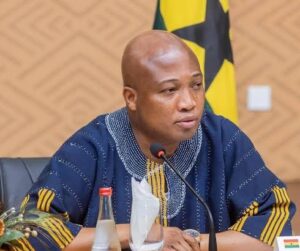
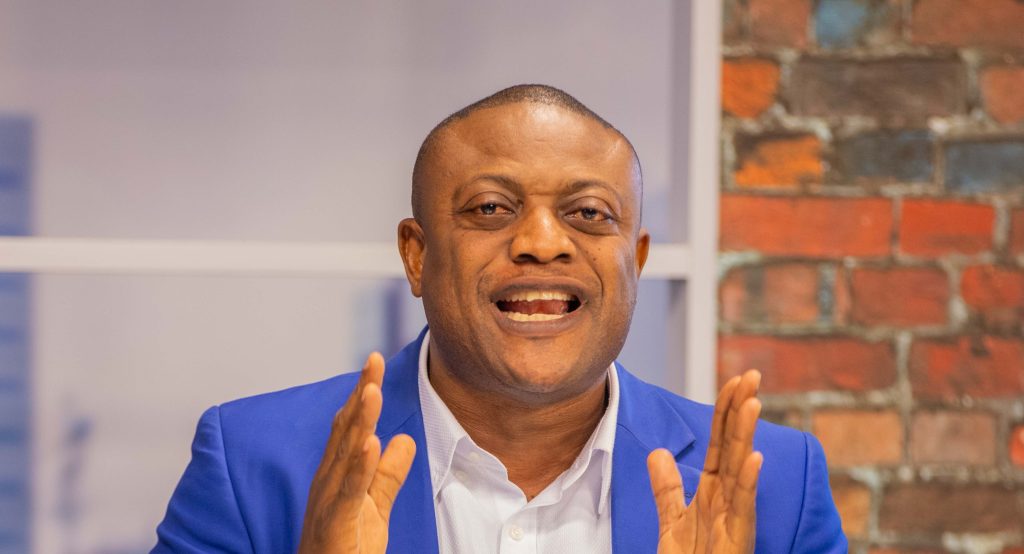
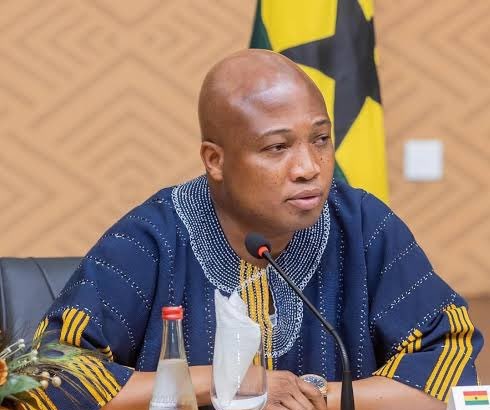
Ghana’s Minister for Foreign Affairs, Samuel Okudzeto Ablakwa, has underscored the deep historical and cultural significance of the traditional Ghanaian attire Fugu, describing it as a symbol of African identity, dignity, and cultural renaissance.
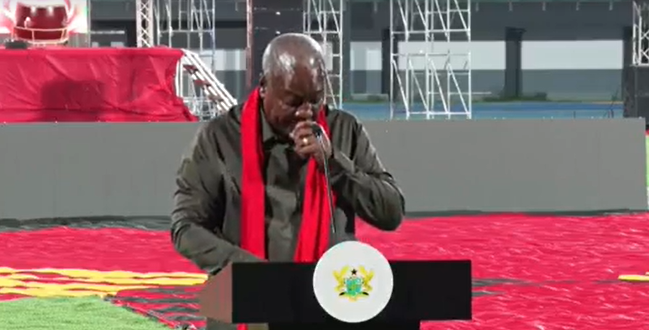
During the Ghana-Zambia Business Dialogue in Lusaka, Ablakwa explained that the wearing of fugu by President John Dramani Mahama during his recent state visit to Zambia was a deliberate cultural statement rooted in Africa’s shared liberation history.
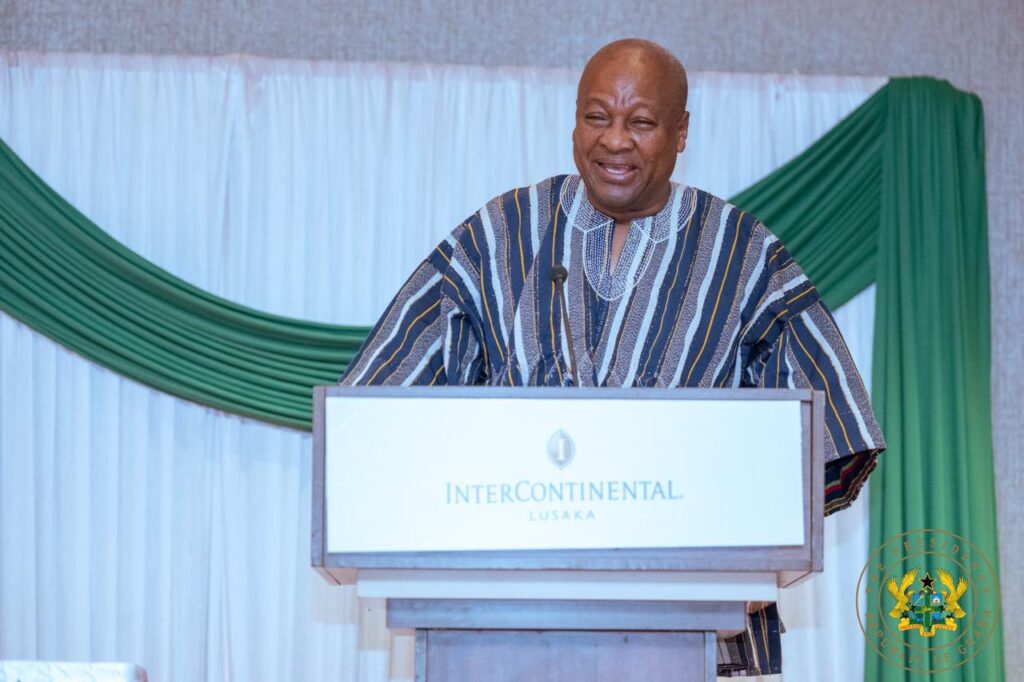
“This deliberate choice has triggered a renaissance in what many have described as the African personality, a conscious effort to reclaim African identity, African dignity, and African culture,” Ablakwa said.
His remarks come in the wake of a heated social media debate sparked by Zambian social media reaction to a photo of President John Dramani Mahama wearing the traditional Northern smock, which some users jokingly compared to a blouse.
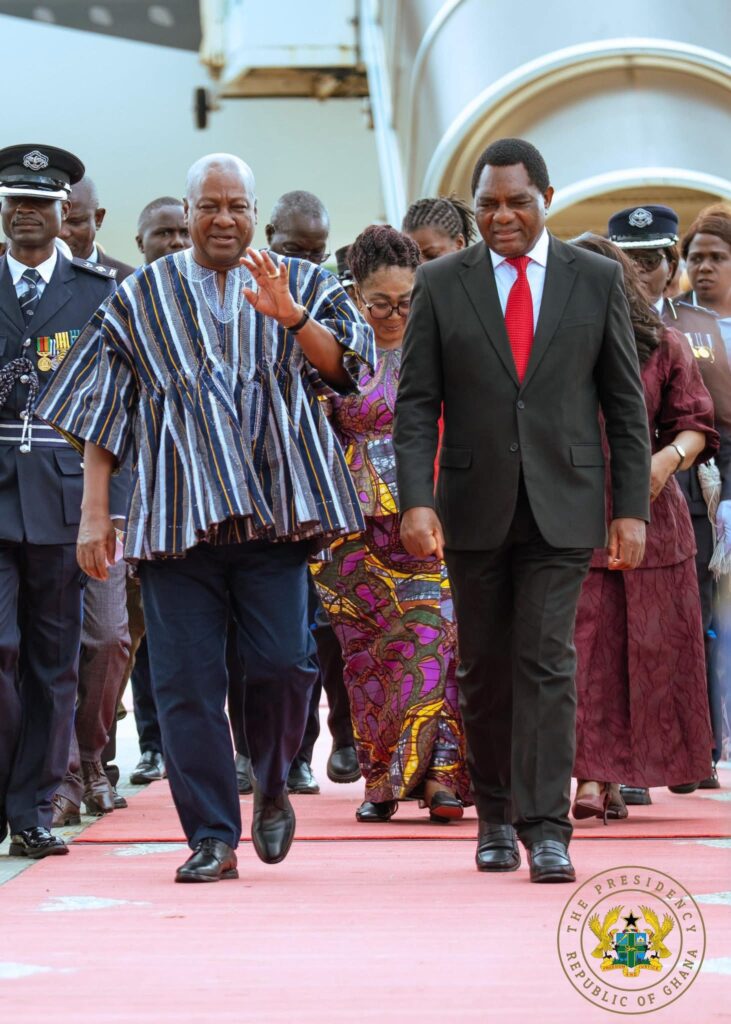
The comment ignited comparisons between Ghanaian traditional attire and that of the Zambia’s cultural outfits, drawing strong reactions online, particularly from Ghanaians defending the cultural pride attached to the garment.
Mr Ablakwa clarified that discussions about culture, restitution, and reparations go beyond monetary compensation for historical injustices such as the transatlantic slave trade.
“When we talk about restitution and reparations, it is not just about compensation,” he stressed. “It is a conscious mental effort to go back to our roots to reclaim who we are.”
According to the Foreign Minister, colonial oppression was not limited to physical enslavement but extended to cultural erasure.
“They did not only seek to enslave us,” he said. “They sought to rob us of our unique identity, our dignity, and our traditions.”
Using history to contextualize the symbolism of fugu, Ablakwa recalled that Ghana’s first President, Dr. Kwame Nkrumah, famously wore the attire when he declared Ghana’s independence on March 6, 1957.
“Dr. Nkrumah made it clear that the independence of Ghana was meaningless unless it was linked to the total liberation of African continent,” Ablakwa noted.
He highlighted the close relationship between Nkrumah and Dr. Kenneth David Buchizya Kaunda, Zambia’s founding President, pointing out that Ghana became a hub for Africa’s independence movements.
“It was therefore not surprising that when Zambia gained independence in 1964, Ghana was the first African country to formally recognize it and establish diplomatic relations,” he said.
Ablakwa urged African business leaders, particularly those in fintech and emerging industries, to support political leadership in advancing this cultural and economic renaissance.
“As business communities and fintech leaders, supporting our presidents in this renaissance must be part of our business model,” he stated.
He concluded by calling for unity rather than cultural rivalry, stressing that African traditions should be celebrated collectively rather than compared competitively.
The fugu debate, while light-hearted in origin, has reignited broader conversations about African identity, shared history, and the power of symbolism in modern diplomacy.