By: Jones Anlimah
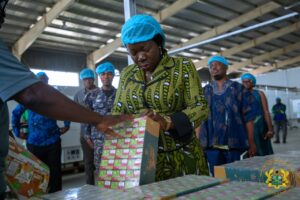
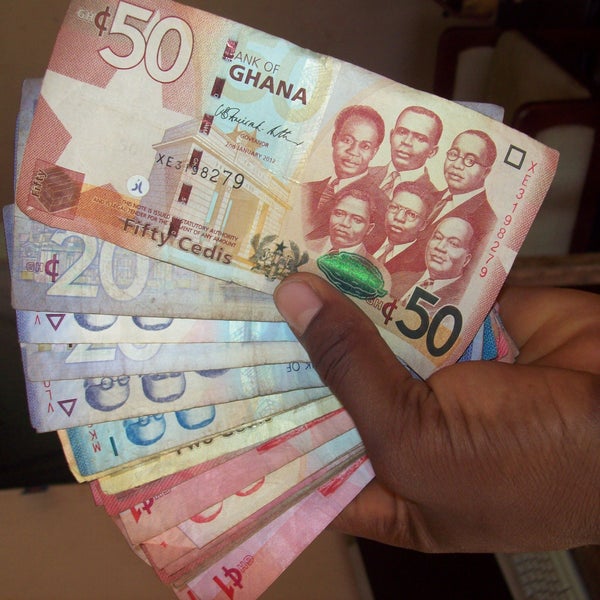
Plan International Ghana has commended the Ghana Government for its historic allocation of GH₵292.4 million in the 2025 Financial Budget to distribute free sanitary pads to female students in primary and senior high schools. The initiative, which aims to address menstrual poverty, aligns with the United Nations Sustainable Development Goals (SDGs)—particularly Goals 3 (Good Health and Well-being), 4 (Quality Education), and 5 (Gender Equality).
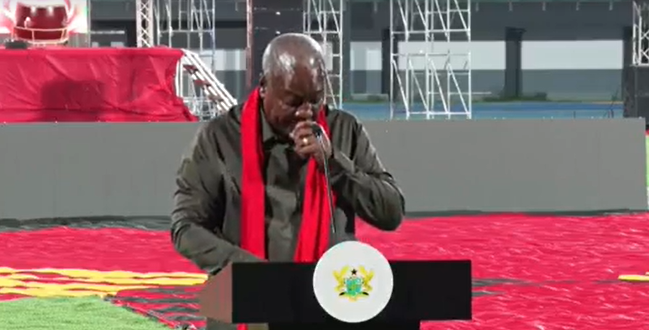
The program, fulfilling a 2024 manifesto promise by President John Dramani Mahama, is expected to significantly reduce school absenteeism, improve menstrual hygiene management, and empower girls, particularly in rural communities. It is also poised to eliminate one of the key barriers preventing girls from fully participating in their education.
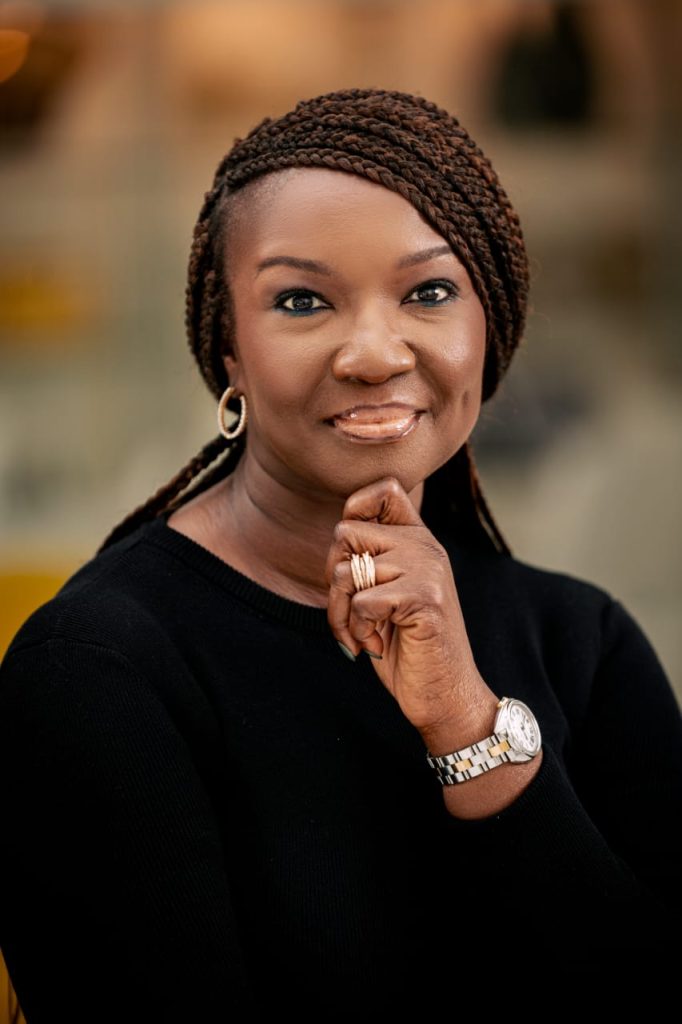
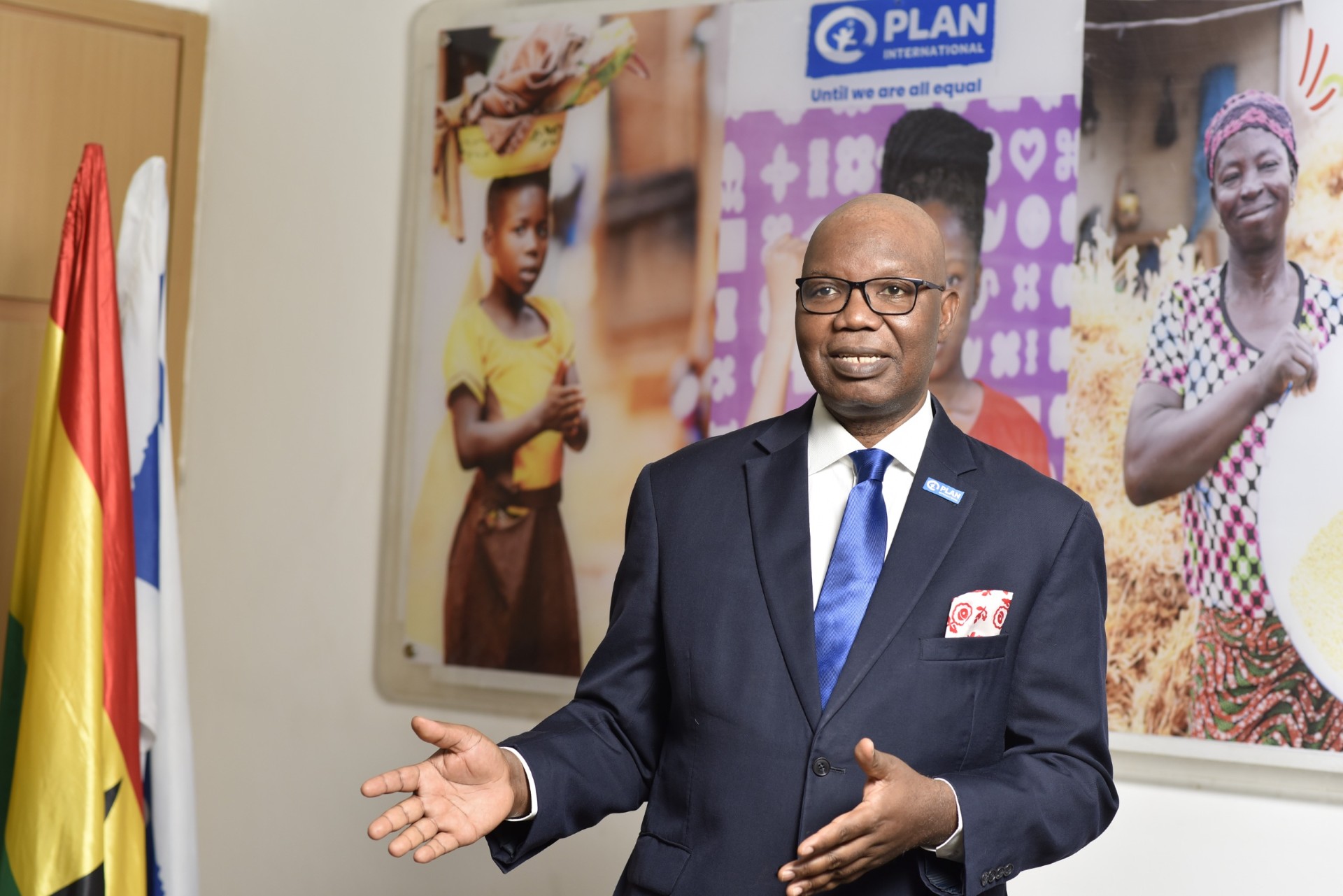
“We commend the government for this bold and transformative move. Menstrual poverty has held back many girls for far too long, and this allocation provides them with the opportunity to access sanitary products with dignity,” said Constant Tchona, Country Director of Plan International Ghana. “This intervention will ensure that girls stay in school, manage their menstrual health confidently, and pursue their dreams without the stigma or barriers caused by lack of access to hygiene products.”
Menstrual poverty remains a major challenge in Ghana, particularly in rural areas, where many girls resort to unhygienic alternatives such as rags or leaves during menstruation. This often leads to serious health risks, and in some cases, contributes to school absenteeism and drop-out rates.
Plan International Ghana has long been a key advocate for menstrual health and hygiene, having distributed both disposable and reusable sanitary pads to over 150,000 vulnerable adolescent girls.
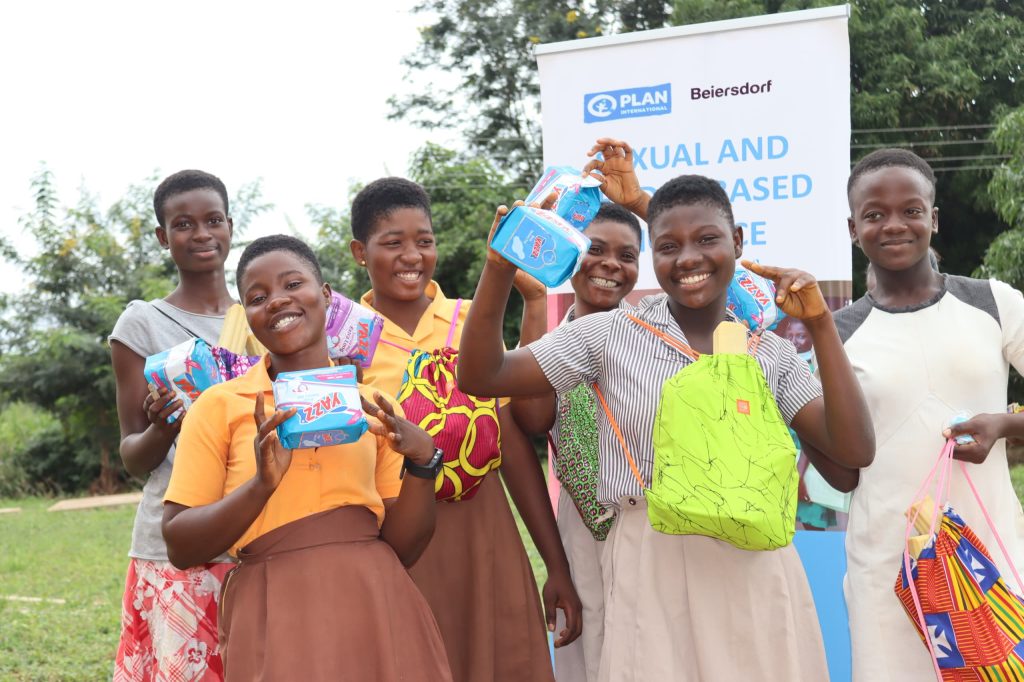
The organization has also worked to construct over 100 girl-friendly latrines and provide water facilities in schools to improve menstrual hygiene management. However, it emphasized that the government’s initiative must be implemented effectively, especially in hard-to-reach areas where the need is most urgent.
“We encourage the government to ensure the efficient distribution of sanitary pads and to complement this initiative with continuous menstrual health education, as well as improvements in school sanitation facilities,” the country director added. “We also continue to call for the removal of taxes on menstrual hygiene products and support for local manufacturers to make products more affordable.”
This bold initiative is seen as a crucial step toward addressing menstrual poverty and advancing gender equality in Ghana, contributing to the broader goals of empowering girls and ensuring that every child, regardless of gender, can access education and achieve their full potential.