By Nana Karikari, Senior Global Affairs Correspondent
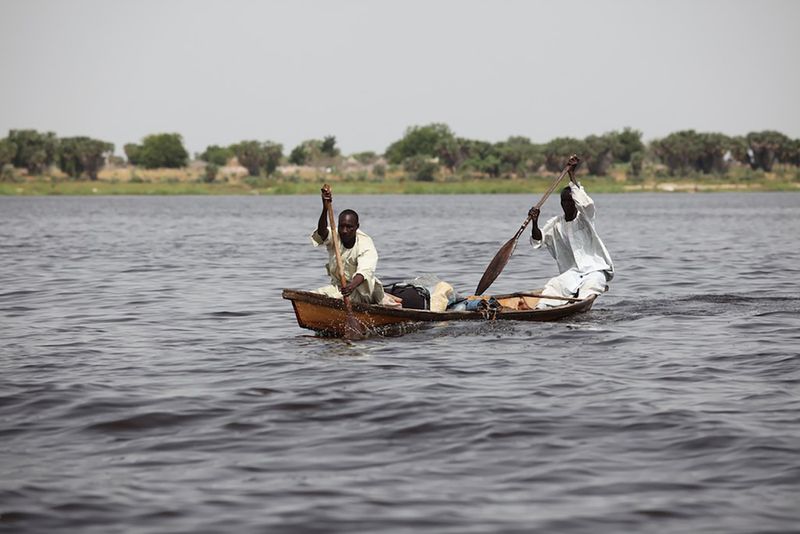
Dozens of Nigerian fishermen are feared dead following a series of Chadian military air strikes targeting jihadist strongholds. The strikes hit multiple islands on the Nigerian side of Lake Chad beginning last Friday. This military action follows a string of deadly insurgent attacks against Chadian forces. Local officials and witnesses report that civilian casualties may be high among those from the town of Doron Baga and Taraba state.
Unconfirmed Casualties in Remote Waters
The exact number of fatalities remains difficult to verify due to the ongoing nature of the operation. The vast expanse of marshland and water complicates search efforts. Abubakar Gamandi Usman, chairman of the Lake Chad Basin Fisheries Association of Nigeria, estimated that more than 40 members have died. Usman reported that as the air force began circling on Friday, panic broke out, with both fighters and fishermen attempting to flee. Some victims likely drowned while attempting to escape in overloaded boats. Search efforts remain slow because the water is deep and the community has limited access to canoes. A Lake Chad fishermen’s union official noted that “Chadian fighter jets bombarded two islands. So far, 40 Nigerian fishermen have been missing and believed to have drowned from the strikes, according to fishermen who escaped.”
Retaliation for Military Losses
The air campaign serves as a response to recent Boko Haram ambushes that devastated Chadian ranks. Last week, Chad observed three days of national mourning after a Wednesday ambush on an army patrol killed two generals. Prior to that, a raid on a military base left at least 24 soldiers dead. The Chadian presidency stated on Facebook it had responded to “unjustified attacks” with “intensive air strikes” on jihadist strongholds. A civilian militia member confirmed the bombing focused on Shuwa island, a strategic point where Nigeria, Niger, and Chad meet.
The Complicated Nexus of Fishing and Terror
Fishermen in the region often operate under the forced oversight of insurgent groups. “Many people were killed,” said Adamu Haladu, a fisherman from Baga. He explained that “It is not a secret that Nigerian fishermen pay tax to Boko Haram to have access to the remote island with a huge fish reservoir. Boko Haram ferry them on their boats to those islands and bring them back with their catch.” This forced cooperation places civilians in the direct line of fire during military offensives. Usman added that Boko Haram often controls the very boats used for transport, leaving fishermen with no independent means of escape.
A Pattern of Collateral Damage
This incident mirrors a similar tragedy from October 2024. During that period, Chadian forces were accused of killing dozens of fishermen on Tilma island during strikes launched in reprisal for a jihadist attack that killed 40 Chadian soldiers. While the military denied targeting civilians at that time, witnesses maintained the victims were non-combatants. Nigerian forces have faced similar accusations of civilian casualties during operations in other states, including recent strikes in Niger state. Military spokesperson Maj Gen Michael Onoja recently defended such actions, stating they are “executed based on credible, actionable intelligence.”
Regional Security Strains
The Lake Chad area remains a primary base for both Boko Haram and the Islamic State West Africa Province (ISWAP). A multinational force was reactivated in 2015 to combat these groups. However, regional cooperation has weakened recently. Niger withdrew from the force last year amid diplomatic tensions with its neighbors. The current lack of a unified front complicates efforts to protect civilians while pursuing insurgents in the volatile basin.
West African Security Under Pressure
The tragedy on Lake Chad resonates across West Africa as regional powers struggle with fractured security alliances. In Ghana and neighboring states, there is growing concern over the breakdown of the Multinational Joint Task Force (MNJTF). The exit of Niger from regional security pacts has created a vacuum that insurgents continue to exploit. Regional leaders now face mounting pressure to balance aggressive military retaliation with the protection of civilian livelihoods. This incident serves as a stark reminder of the fragile security environment currently affecting the Economic Community of West African States (ECOWAS).
Humanitarian Impact on Regional Trade
Beyond the immediate loss of life, the strikes threaten the economic stability of the Lake Chad Basin. This region serves as a vital hub for fish trade reaching markets across Nigeria, Niger, and Cameroon. The destruction of fishing communities disrupts supply chains and increases food insecurity in a region already facing extreme poverty. For West African observers, the situation highlights how localized military strikes can have far-reaching economic consequences for the entire continent.
The escalating violence highlights the precarious position of local populations caught between the brutality of insurgent taxation and the lethal reach of state retaliation. As military operations intensify to avenge fallen soldiers, the civilian toll continues to rise, underscoring the humanitarian challenge of a conflict where the lines between combatants and those forced to live among them remain tragically blurred.