By Ashiadey Dotse
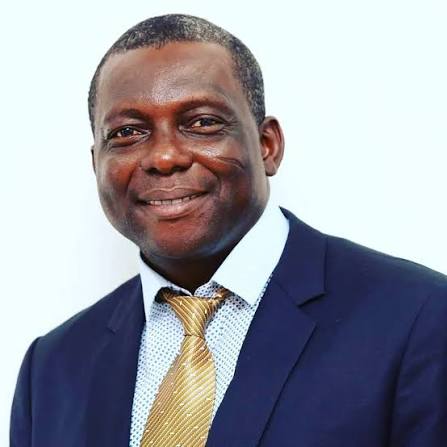
Water, Sanitation and Hygiene specialist Patrick Apoya has called for innovative and long-term solutions to address Ghana’s sanitation challenges, insisting that increased funding alone will not resolve the country’s growing waste management problems.
Speaking in an interview on GTV Public Concern on Tuesday, May 12, 2026, Mr Apoya said Ghana’s current sanitation system places too much emphasis on spending on waste collection, while giving limited attention to innovation, recycling and sustainable waste reduction strategies.
According to him, proper waste management is expensive and can consume nearly one-third of an assembly’s budget if implemented effectively.
“Some innovative ideas can also deal with the problem beyond just pumping money,” he said.
Mr Apoya explained that pressure on Metropolitan, Municipal and District Assemblies to deliver visible results within short political cycles often limits their ability to develop creative and sustainable sanitation solutions.
He noted that many local authorities prioritise short-term projects because they are under pressure to show quick, visible results to the public.
“The system we have right now cannot allow leaders to bring out innovative ideas because they are under pressure to deliver within a short period,” he said.
The sanitation expert also highlighted institutional challenges in the sector, saying frequent restructuring of ministries over the past decade has created policy gaps and weakened long-term planning.
He stressed that sanitation management should not be left to assemblies alone, adding that it requires nationwide behavioural change and stronger policy direction.
Mr Apoya urged Ghanaians to adopt the principles of reducing, reusing, recycling and recovering waste to reduce pressure on the sanitation system.
He explained that simple lifestyle changes, including proper handling of food waste and reducing household waste generation, could significantly improve sanitation conditions across the country.
According to him, recycling businesses also face challenges because of limited incentives and a lack of guaranteed markets for recycled products such as compost.
He said government policies, including subsidies for compost and recycled products, could encourage investment in the recycling sector and improve waste management nationwide.
Mr Apoya added that sanitation reforms require coordinated efforts from government institutions, local assemblies, civil society organisations and citizens.
“With the right policy framework, every district will be able to fit in and perform properly,” he said.