By Ashiadey Dotse
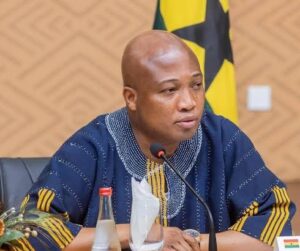
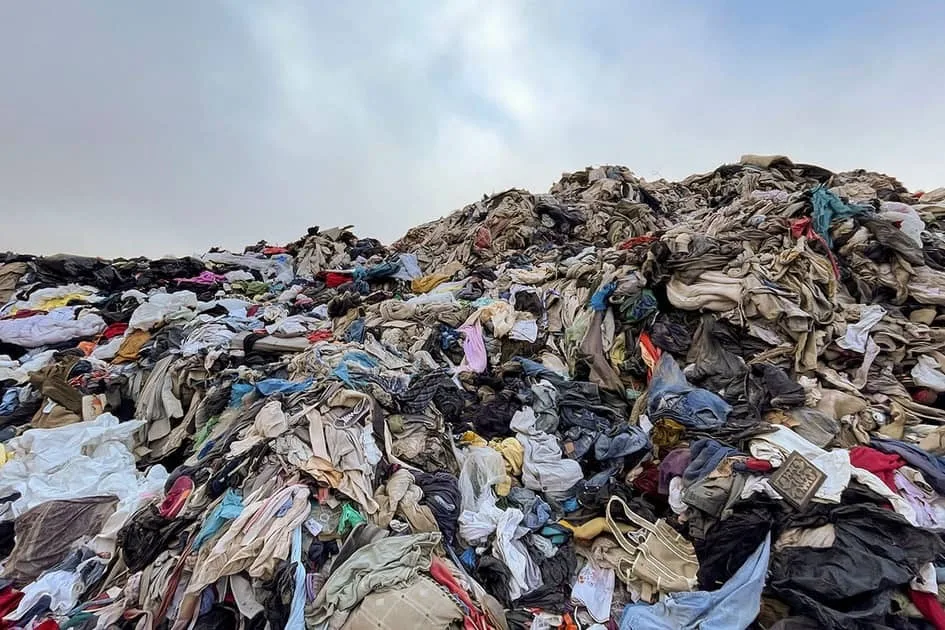
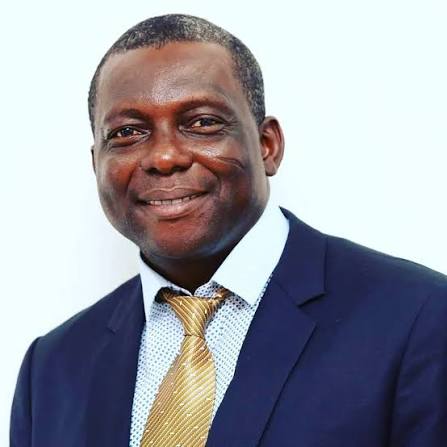
Water, Sanitation and Hygiene specialist Patrick Apoya has raised concerns over poor sanitation conditions in rural communities, saying waste management challenges in these areas are often ignored because they are less visible compared to urban centres.
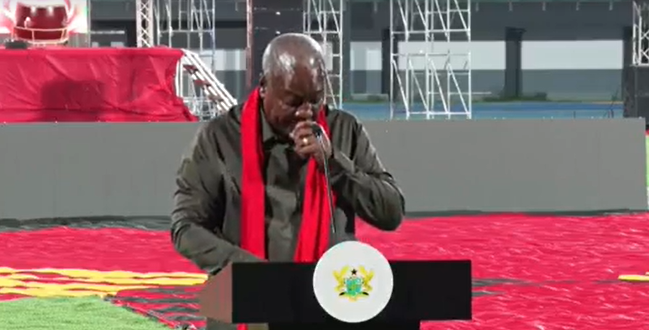
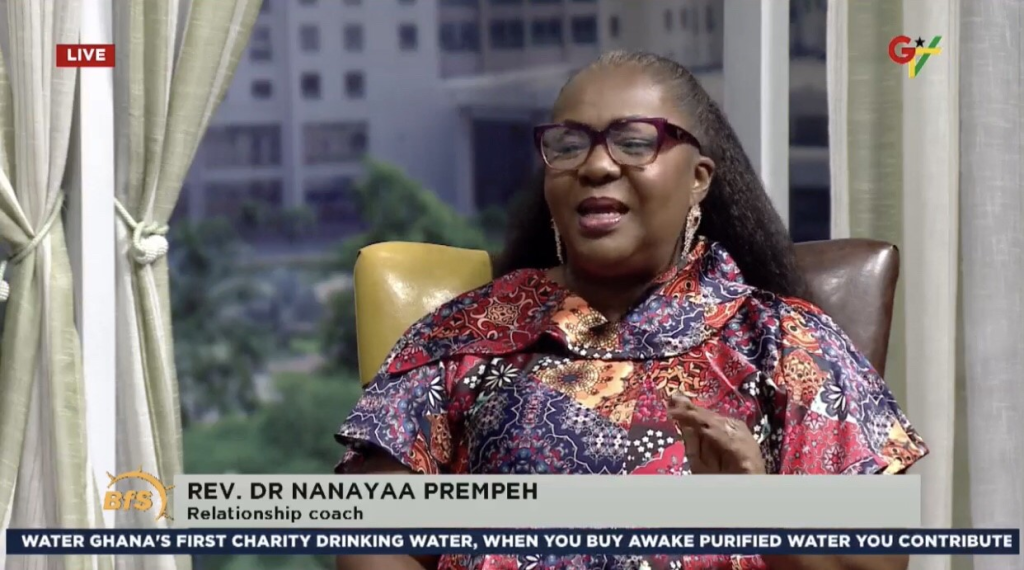
Speaking in an interview on GTV Public Concern on Tuesday, May 12, 2026, Mr Apoya said sanitation in many rural districts continues to suffer despite increased spending on Water, Sanitation and Hygiene (WASH) activities.
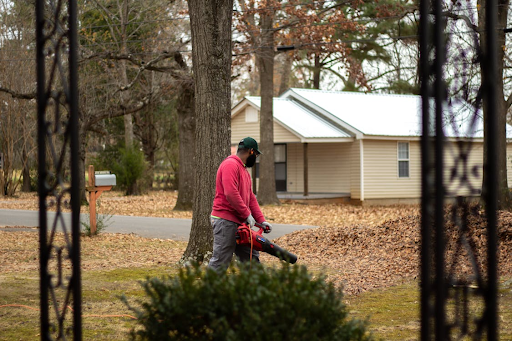
According to him, urban areas usually receive more attention because heaps of waste are more visible in cities and business centres, prompting quicker responses from authorities.
“For the rural side, sanitation is basically suffering because they do not have the issue of solid waste that is so visible like what you see in the cities,” he said.
Mr Apoya explained that although there has been a 44% increase in WASH spending between 2024 and 2025, most of the funds are being directed towards visible infrastructure projects such as boreholes, rather than maintenance and sanitation improvement.
He disclosed that about 85% of WASH expenditure in some districts goes into infrastructure projects, while only about five percent is allocated to rehabilitation and maintenance of existing facilities.
He described the maintenance allocation as inadequate, stressing that at least 20% of WASH budgets should go into capital maintenance to prevent water facilities from breaking down.
Mr Apoya said many district assemblies are under pressure to deliver visible projects within short timeframes, leading them to prioritise new construction that is easily seen over long-term maintenance work.
“If you maintain a borehole, nobody sees it, but if you build a new one, everybody notices,” he noted.
He also criticised some policy guidelines governing district spending, saying they limit flexibility and prevent assemblies from responding effectively to local sanitation needs.
The sanitation specialist further urged district assemblies to partner with NGOs and development organisations to attract more funding into the sector.
According to him, many districts are not taking full advantage of opportunities to leverage support from organisations working in the WASH sector.
Mr Apoya added that proper waste management is expensive and could consume nearly one-third of assembly funds if implemented effectively.
He stressed that solving Ghana’s sanitation challenges goes beyond funding and requires innovation, stronger policies and collective national action.
He called on Ghanaians to embrace waste reduction, recycling and reuse practices, adding that national policies are needed to create incentives for recycling and compost production.
Mr Apoya also urged civil society organisations to work closely with district assemblies to improve monitoring and ensure sanitation funds are properly utilised.