By Samuel Adjetey Adjei
Streetism is worsening at the Circle Overhead in Accra, one of the city’s busiest transport and commercial centres, raising concern among observers about the safety and future of vulnerable young people living there.
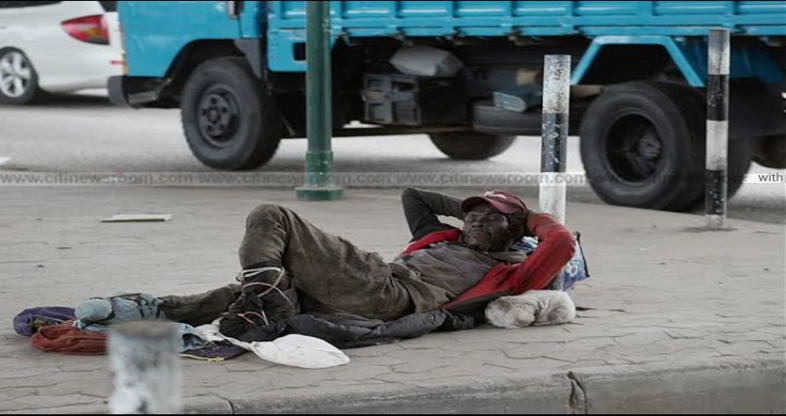
The area, which serves as a major transit point for thousands of commuters daily, has increasingly become a survival zone for children and teenagers with no stable homes. While the enclave is busy with trading and transport activities during the day, it turns into an open sleeping space at night for dozens of street-connected youth.
Many of the young people sleep in front of shops, at lorry stations, and under the Circle Overhead interchange. They survive by carrying loads, running errands, and doing small informal jobs for daily income.
Despite the busy economic activity in the area, the children face difficult conditions, including hunger, insecurity, and lack of access to basic services.
Speaking to Radio Ghana, some of the street children shared painful stories of survival. One of them, Godfred Koomson, said life on the street is harsh but he has no choice.
“I sleep anywhere I find space… under the bridge or behind shops. Street life is hard, but I still have hope. I want to go to school one day and have a better life,” he said.
Another 15-year-old boy, Boakye Ampong Williams, also described daily struggles of hunger and survival.
“Every day is about survival. I wake up by the roadside, look for small jobs like carrying loads. Sometimes I eat, sometimes I sleep hungry. I miss school,” he said.
He added that seeing other children in school uniforms reminds him of what he has lost, but he still hopes for a better future.
Most of the children said they migrated from different parts of the country in search of better opportunities but ended up on the streets after failing to find support.
Despite their harsh realities, many of them expressed strong hope of returning to school or learning vocational skills such as carpentry, tailoring, and mechanics.
The situation has renewed calls for urgent intervention from government agencies, civil society organisations, and other stakeholders to address streetism in Accra.
Observers warn that without immediate action, the number of vulnerable children on the streets could rise further, deepening the crisis and endangering more young lives.