By Celestine Avi and Seth Eyiah
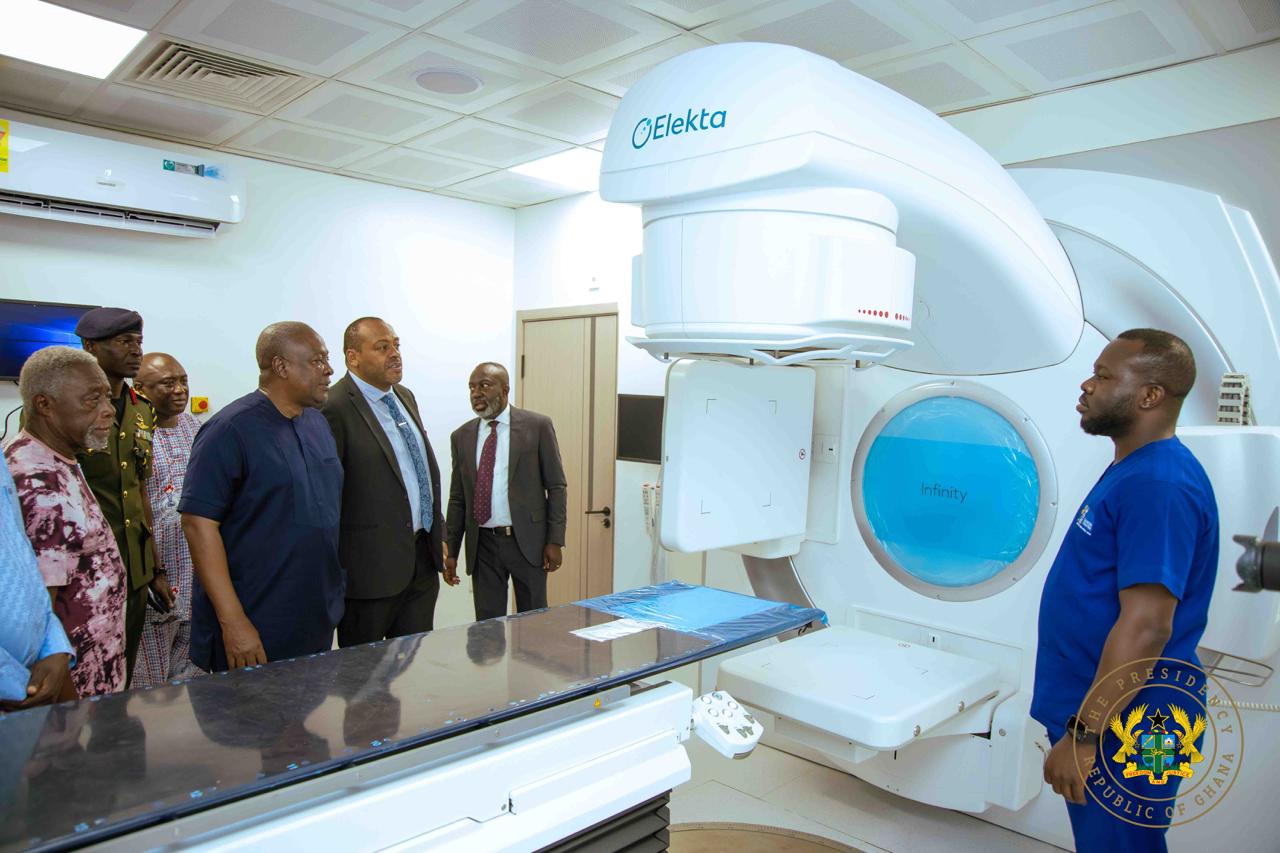
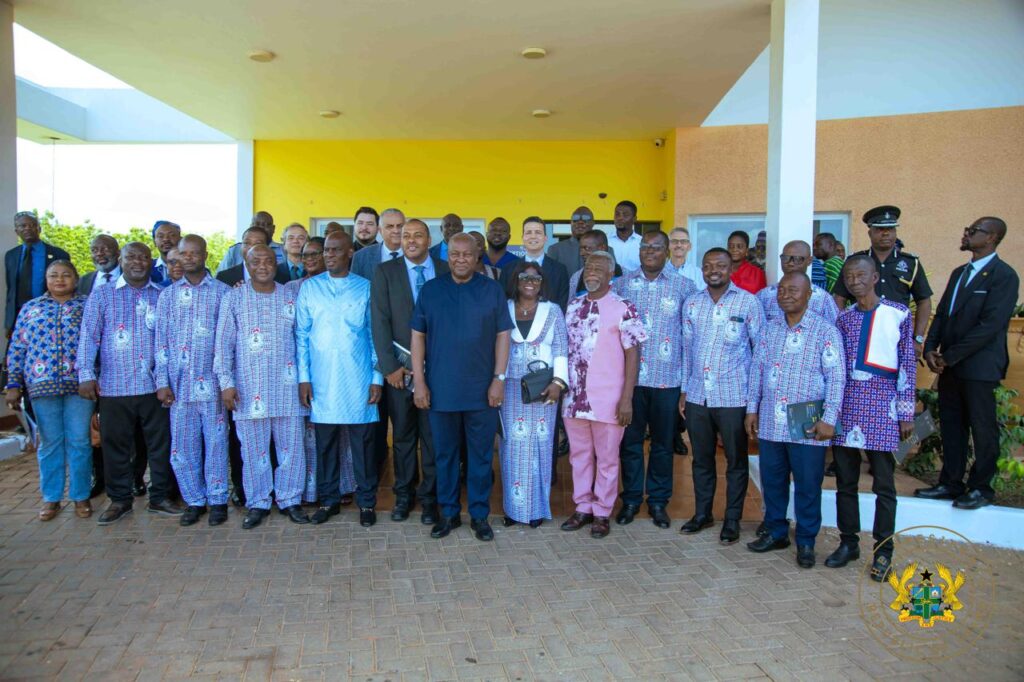
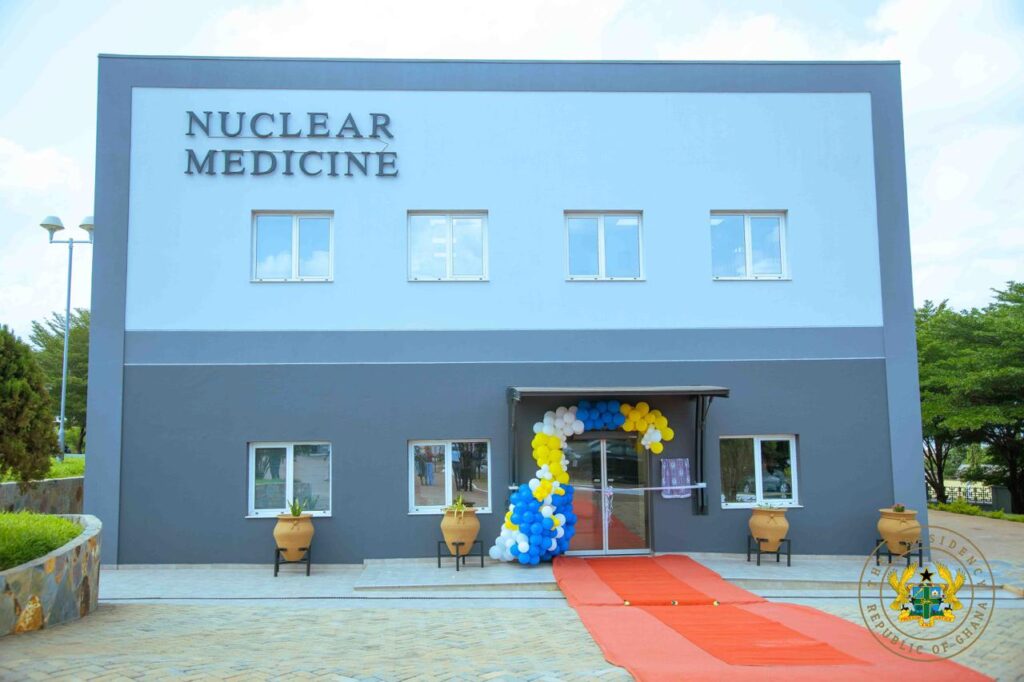
President John Dramani Mahama has commissioned a state-of-the-art Positron Emission Tomography (PET) Scan facility at the Swedish Ghana Medical Centre in Accra, describing it as a major step towards transforming Ghana’s healthcare system and positioning the country as a hub for specialised medical services in West Africa.
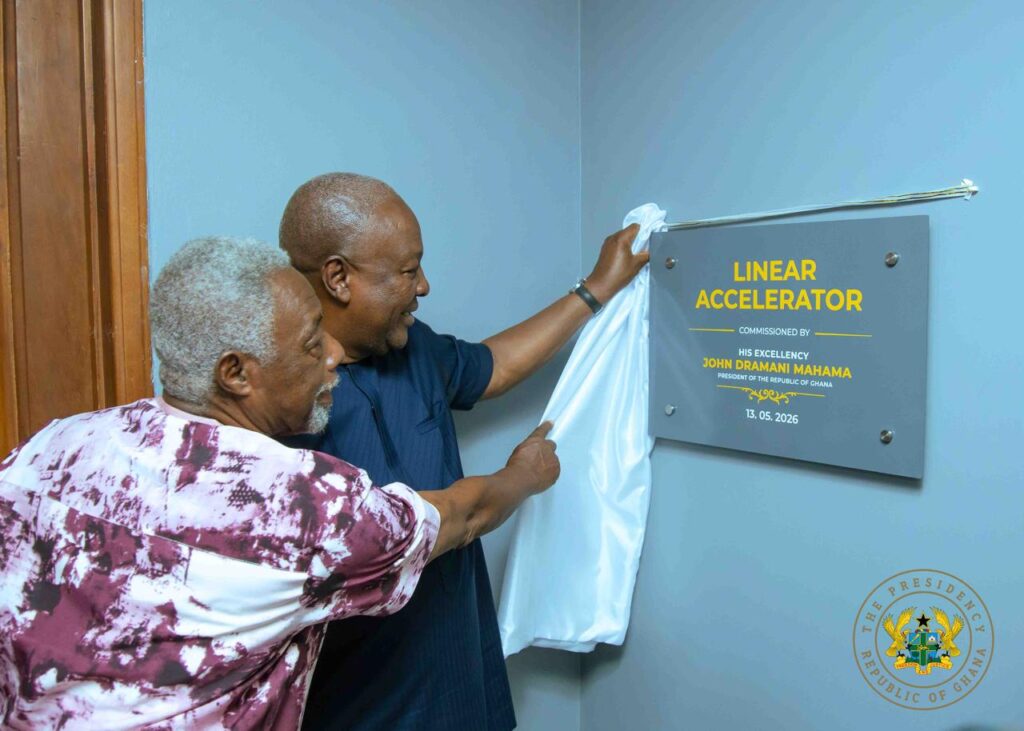
The PET Scan technology, one of the world’s most advanced diagnostic imaging systems, is expected to improve early detection and treatment of cancers, neurological disorders, cardiovascular diseases, and other complex medical conditions. The facility also houses a Cyclotron—the first in West Africa and the 80th in the world—which produces radioisotopes for diagnosis and treatment. It also contains one of only two linear accelerators in Ghana for precise radiotherapy treatment.
President Mahama said the facility would reduce the need for Ghanaians to travel abroad for advanced medical diagnosis, lower treatment costs, and strengthen healthcare sovereignty through investment in modern medical infrastructure and technology.
He announced that the Swedish Ghana Medical Centre would be registered under the Ghana Medical Trust Fund, MahamaCares, to enable cancer patients seeking treatment at the facility to receive support under the programme.
The President further called on the private sector to invest in advanced healthcare delivery to complement government efforts to make Ghana a destination for medical tourism within the sub-region.
Touching on education, President Mahama announced that government has secured a 300-million-dollar World Bank facility under the STARR-J initiative to upgrade 50 Senior High Schools nationwide. Under the programme, 30 Category C schools will be upgraded to Category B, while 20 Category B schools will be elevated to Category A.
He said the initiative would help government end the double-track system in Senior High Schools by 2027, while improving quality, equity, and access to secondary education.
President Mahama also outlined reforms to improve teacher welfare and career progression, including the Teacher Dabre initiative, which aims to provide accommodation for teachers on school campuses to reduce long-distance commuting.
In addition, he announced a three-billion-cedi affordable housing programme for public sector workers in partnership with Republic Bank, GNAT, State Housing Corporation, TDC, and private developers. The housing units, to be priced in cedis, will be accessible through mortgage arrangements for professionals, including teachers.