
By Nana Karikari, Senior Global Affairs Correspondent
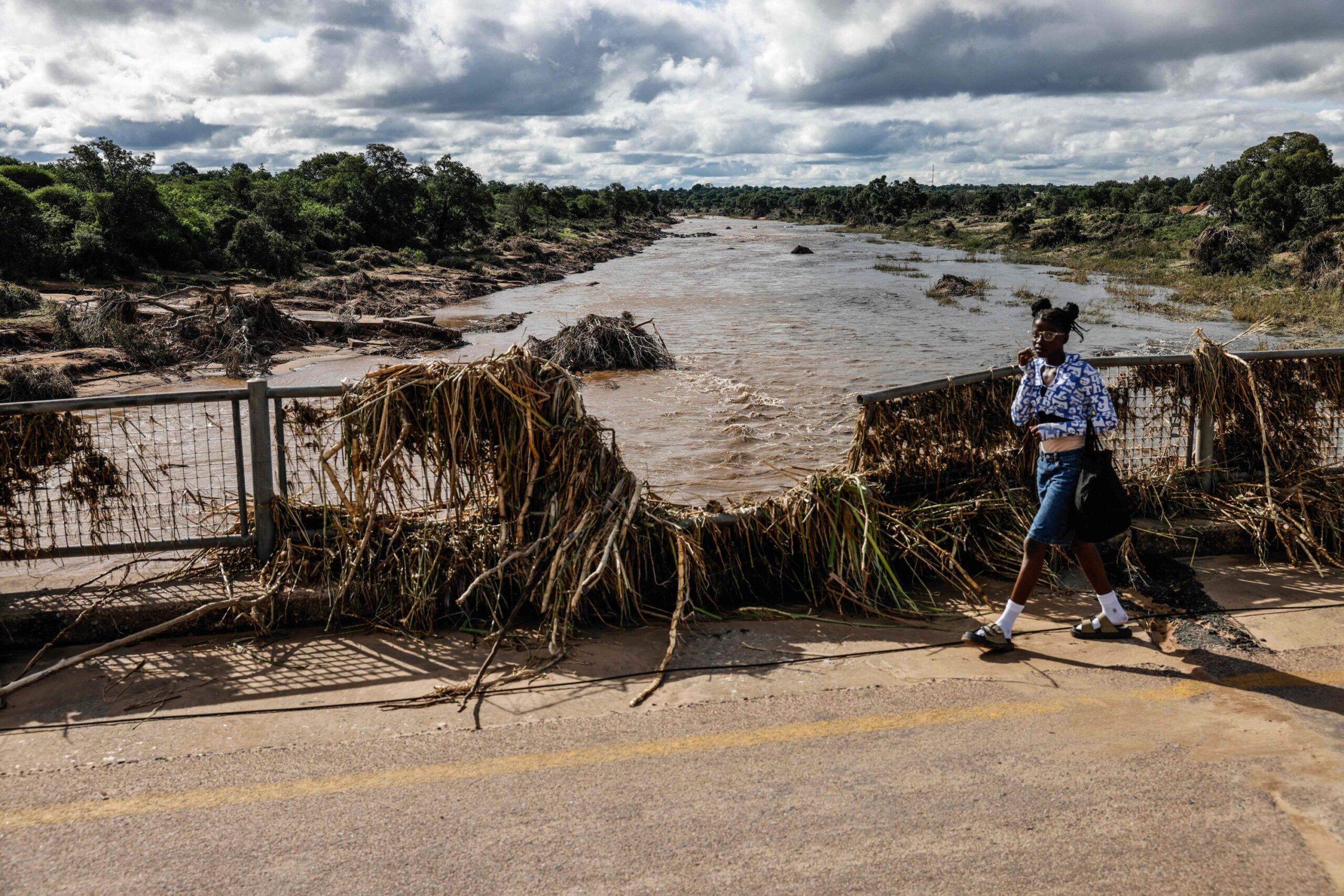
At least 10 people have been killed and thousands displaced as South Africa declares a national state of disaster following a week of devastating torrential rains and extreme weather. The crisis has ravaged six provinces, including the Western Cape, Eastern Cape, Northern Cape, North West, Free State, and Mpumalanga. High winds, thunderstorms, and rare snowfall have intensified the destruction since the storms began on May 4.
Informal settlements have faced the brunt of the weather, with authorities reporting over 10,000 structures damaged in 26 settlements around Cape Town alone. This official declaration allows the national government to bypass traditional bureaucratic hurdles to release emergency funds for relief. Economic analysts have warned that the disruption to road and transport networks may soon impact regional logistics and agricultural activity across the Southern African development corridor.
President Ramaphosa Commits to Science Based Response
President Cyril Ramaphosa expressed “deep sadness” over the fatalities as the Southern Hemisphere winter commences. He emphasized the government’s focus on technological preparedness during this period of transition. The Presidency confirmed that all spheres of government are now working in tandem to support the displaced.
“We are, however, making the best use of science to pre-empt some of these events and to respond to the aftermath,” the President said. He noted that while forecasting has improved, the exact intensity of localized events remains a challenge. “As winter sets in, we are vulnerable to events which we may be able to forecast but whose actual intensity in specific locations we may not be able to predict,” Ramaphosa added.
Massive Infrastructure Damage Isolates Vulnerable Regions
The National Disaster Management Centre (NDMC) has taken the lead in coordinating rescue efforts across six provinces. Dr. Elias Sithole, head of the NDMC, officially classified the events to ensure a unified nationwide response. Flooding has severed access roads and cut off electricity and water supplies to several communities.
In the Garden Route region, some areas remain completely isolated by rising waters. Humanitarian teams are currently delivering food and blankets to those trapped by the storms. Educational and tourist sites, including parts of Cape Town’s Table Mountain, have faced temporary closures to ensure public safety. Rescue teams continue to operate under dangerous conditions, often restricted by limited air support capabilities due to the ongoing storms.
Coordinated Relief Operations Target Essential Services
The Department of Cooperative Governance and Traditional Affairs (COGTA) confirmed that the state of disaster was declared due to the widespread severe weather. Spokesperson Legadima Leso stated, “The classification follows widespread severe weather conditions experienced from 4 May 2026, including heavy rainfall, flooding, thunderstorms, damaging winds and snowfall across the Western Cape, North West, Free State, Eastern Cape, Northern Cape and Mpumalanga provinces.”
Search and rescue operations are currently prioritizing community evacuations and the restoration of public services. The Presidency noted that “national, provincial and municipal authorities will work with communities to address the effects of the disaster.” The President also praised the private sector and faith-based organizations for providing essential food and volunteer support where state capacity is stretched.
Climate Patterns Drive Increasing Regional Instability
Experts warn that these events are part of a broader trend of intensifying weather patterns across Southern Africa. Similar torrential rains recently caused significant casualties and damage in Mozambique and Zimbabwe. This follows a previous national disaster in South Africa this past January, when 30 people died in the northern regions.
“The President’s thoughts are with the families, friends and colleagues of the people who have died in events arising from heavy rainfall, flooding, thunderstorms, damaging winds and snowfall,” the Presidency stated. South African weather officials continue to warn of additional rain and wind in the coming days. The government remains on high alert as the winter season continues to strain the nation’s infrastructure and disaster management systems.
Continental Solidarity and the African Climate Crisis
The disaster in South Africa resonates across the continent, where nations from Ghana to Kenya are increasingly facing similar climate-driven emergencies. African leaders and regional bodies continue to advocate for enhanced continental disaster management frameworks. This crisis highlights the shared vulnerability of African infrastructure to shifting global weather patterns. The African Union and various humanitarian agencies have underscored that South Africa’s struggle is a reflection of a broader continental need for better adaptation funding. Coordinated relief efforts often serve as a blueprint for how neighboring nations can share resources and scientific data during times of environmental shock.
As South Africa grapples with the immediate humanitarian crisis, the disaster has renewed a critical national debate regarding the necessity of climate-resilient infrastructure. While the immediate focus remains on search and rescue, the long-term stability of the region may depend on the government’s ability to adapt urban planning and early warning systems to an increasingly unpredictable environment







































One Response
Bilgiler için teşekkür ederim işime son derece yaradı