By Nana Karikari, Senior Global Affairs Correspondent
President John Mahama has authorized the immediate repatriation of 300 Ghanaian citizens currently trapped in South Africa. This decision follows a surge in xenophobic violence and targeted harassment against foreign nationals. The Ghanaian government remains committed to protecting its citizens regardless of their location.
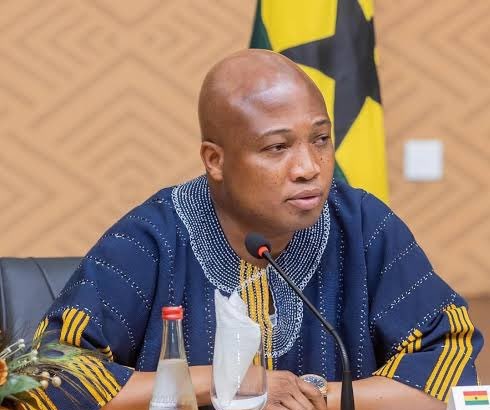
“His Excellency John Mahama has granted presidential approval for the immediate evacuation of 300 Ghanaians in South Africa,” Ghana’s Foreign Minister, Samuel Okudzeto Ablakwa confirmed. These individuals had previously registered with the High Commission in Pretoria in response to official safety advisories. The Ministry of Foreign Affairs is now coordinating with diplomatic partners to ensure a safe and orderly return for those wishing to leave. The Ministry stated it shall continue to safeguard the welfare of all Ghanaians home and abroad.
Diplomatic Pressure Forces Local Official to Recant
In Estcourt, near Durban, a local mayor has retracted a controversial directive aimed at seizing foreign-owned enterprises. The reversal follows intense diplomatic intervention and the threat of litigation. High Commission official Benjamin Anani Quashie confirmed the mayor is now seeking dialogue rather than confrontation.
“I think that we have just been briefed that the mayor is standing down on what he was doing back in Estcourt, indicating that they are giving us a number of days. In fact, he spoke to me this morning, and he indicated that he’s looking for a meeting and getting this matter resolved,” Quashie stated. Mr. Quashie suggested that recent public statements by South African leadership signaling concern over xenophobic incidents may have contributed to this de-escalation. Despite this shift, the Ghanaian mission insists that legal threats will remain until all seized properties are returned to their rightful owners.
Systemic Targeting of Foreign Businesses
Reports indicate that some South African local government officials have actively participated in the crackdown on legally resident migrants. In Estcourt, the mayor allegedly confiscated keys from Ghanaian mechanic shops and small enterprises to hand them over to local residents. Approximately 25 Ghanaian businesses were reportedly shuttered during this specific operation.
“The mayor in Estcourt has taken keys belonging to Ghanaians and other African migrants who are genuinely and legally working in his area. He has taken the keys, handed over their shops and businesses to locals,” Quashie reported. The High Commission clarified that it is not interested in compromise regarding basic property rights. “We did not come in to negotiate. We came in to ensure that the right thing is done. The right thing is to give back the keys to the people who own those businesses,” he stated.
South African National Authorities Signal Cooperation
While local actions in Estcourt sparked the crisis, South Africa’s national leadership has signaled a renewed commitment to addressing xenophobia. The Department of International Relations and Cooperation (DIRCO) has been engaged by diplomatic missions to ensure local mayors do not overstep their legal mandates. This central intervention suggests a rift between municipal directives and national foreign policy, as Pretoria seeks to maintain its standing within the African Union.
Nigeria and Angola Join Diplomatic Pushback
The response to the crackdown has moved beyond Ghana, evolving into a coordinated effort among several African powers. The Nigerian and Angolan ambassadors have raised similar complaints after their nationals were targeted in the same municipal operations. These countries have joined Ghana in collecting formal statements from affected traders to be reviewed by a collective legal department, signaling a unified front against the targeted closure of foreign enterprises.
Challenging the Legal Basis of Evictions
Legal experts within the diplomatic corps have confirmed that the 21-day eviction order issued in Estcourt lacks a valid legal foundation under South African law. With only 17 days remaining before the original deadline, the focus has shifted to a preemptive legal strike. “All the countries involved have made statements and given them to the legal department. They have confirmed there is no legal basis for what he is doing,” Mr. Quashie noted, emphasizing that the mission will not withdraw legal steps until a full resolution is achieved.
Safeguarding the African Diaspora
The current wave of hostility has triggered a broader conversation regarding the safety of the African diaspora within the continent. Leaders emphasize that the African Continental Free Trade Area (AfCFTA) goals rely on the mutual respect and protection of all African nationals. Ghana’s proactive stance is being viewed as a benchmark for how diplomatic missions should protect their citizens’ economic interests abroad.
Registration for Affected Citizens
The High Commission in Pretoria continues to update its registry for those seeking safe passage home. Officials clarified that the directive has been communicated clearly to the Ghanaian community. Registration is ongoing for those seeking assistance to return home safely. Coordination between diplomatic missions and relevant authorities remains the priority to ensure the process remains orderly.
Diplomatic De-escalation and the Future of Regional Ties
As registration continues for those seeking voluntary return, the focus remains on ensuring lawful processes are followed and that the South African government upholds its commitment to regional stability. The resolution of the Estcourt dispute is seen as a critical test for diplomatic relations between Pretoria and its continental neighbors.