By Nana Karikari, Senior Global Affairs Correspondent
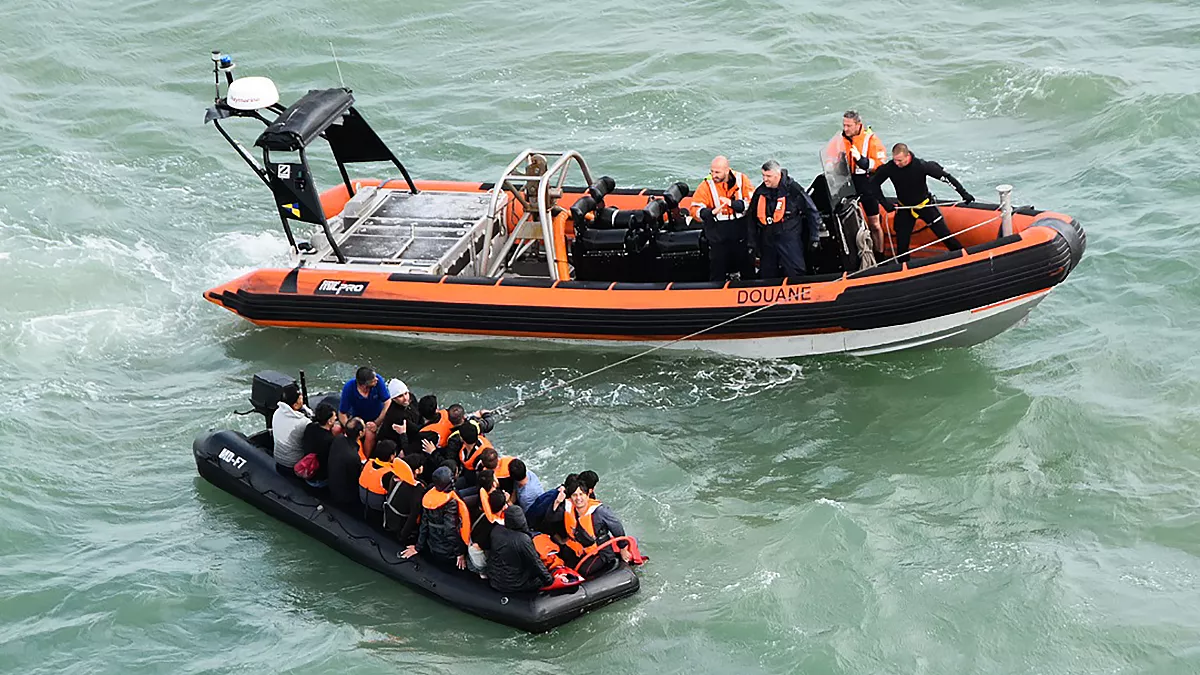
The United Kingdom has surpassed a significant demographic threshold as more than 200,000 migrants have crossed the English Channel in small boats since records began in 2018. New figures show the total reached 200,013 in the last nine years following the arrival of 70 people on a single vessel this past Friday. This milestone comes despite years of escalating political rhetoric and multi-billion-pound efforts to secure the maritime border.
Political Efforts and Rising Figures
Successive governments have promised to reduce migrant arrivals through this route and halt the smuggling operations that facilitate the dangerous crossings. Records show about 128,000 crossings were made under previous Conservative governments between 2018 and 2024. However, the data reveals a persistent upward trend, with the number of small boat arrivals more than doubling in the last three years. Former Tory prime minister Rishi Sunak pledged to “stop the boats” in 2022. Following the 2024 election, Sir Keir Starmer took power with a promise to “smash” the people-smuggling gangs making money from illegal Channel crossings. Since that transition of power, more than 72,000 people have entered the UK via this route.
Fatalities and Safety Concerns
The human cost of the passage remains high. At least eight migrants have died while trying to cross the Channel by boat this year, according to the UN’s International Organization for Migration and French authorities. This follows a deadly 2024 in which 23 people were confirmed to have died. The government first declared the rise in people using this route a “major incident” in 2018. Since then, the prevalence of overcrowded boats has increased.
Factors Driving the Small Boat Route
Officials attribute the shift toward small boats to a combination of enhanced security at ports and a clamp down on other illegal routes. These pressures, alongside the development of organized gangs, have contributed to the rise in maritime crossings. Authorities also cite “red days”—periods when weather conditions are considered favorable—as a primary driver for mass departures. While more than 7,380 people have crossed the Channel since January, this figure is 36% lower than the same period last year.
Government Response and Enforcement
The Home Office maintains that current strategies are yielding results. A Home Office spokesperson said the government was “bearing down on small boat crossings.” This strategy includes “a landmark new deal with France to boost enforcement action on beaches and put people smugglers behind bars,” the spokesperson added. “This builds on joint work that has stopped over 42,000 illegal migrants attempting to cross the channel since the election. We have removed or deported almost 60,000 people who were here illegally and are going further to remove the incentives that draw illegal migrants to this country.”
Changing Demographics of Arrivals
The majority of migrants crossing the Channel from 2018-2025 originated from Iran, Afghanistan, Iraq, Eritrea, and Albania. However, there has been an increasing number of people from several African nations attempting to cross in the last year. Arrivals from Eritrea, Somalia, and Ethiopia nearly trebled to 13,000 compared with 2024. Numbers from Sudan rose by about 60% following ongoing civil wars and political repression. These trends align with reports from the EU border agency, Frontex, which has noted similar increases in Mediterranean arrivals.
New ‘Visa Brake’ Impacts African Nations
In March 2026, the UK government introduced a “visa brake” specifically targeting nations with high asylum-to-visa ratios. This policy has led to the temporary ban of certain visa applications, including student visas, for nationals from Sudan and Cameroon. Authorities stated this move is designed to protect border security from “unsustainable levels” of visa-linked asylum claims. For many across the African continent, this represents a narrowing of legal pathways to the UK, potentially increasing the reliance on irregular maritime routes.
Transition to ‘Core Protection’ Model
New asylum rules taking effect as of March 2, 2026, have significantly altered the security of refugee status. Under the new “core protection” model, newly recognized refugees receive only 30 months (2.5 years) of temporary protection rather than the previous five-year grant. This status is subject to review, and refugee status could be revoked if the Home Office deems the individual’s home country is now “safe.” This shift away from permanent protection marks a major change for asylum seekers from Eritrea and Sudan, who historically saw high approval rates.
Profiles of Those Making the Journey
The demographic profile of those crossing remains consistent. Men and boys made up nearly nine in 10 small boat arrivals between 2018 and 2025. Almost all those making the journey are under the age of 40. While the percentage of women and girls has gradually increased, the government does not publish a detailed breakdown of age groups under 17 or over 40. Economic factors and organized crime drove a surge in Albanian arrivals in 2022, while instability and the rise of the Taliban previously fueled numbers from the Middle East.
Asylum Claims and Approval Rates
About 95% of people who arrived on small boats in the eight years to 2025 claimed asylum in the UK, accounting for approximately one-third of all asylum claims during that period. By December last year, more than 108,000 of these applications had been processed, with about three in five people granted asylum. Approval rates fluctuate based on nationality and geopolitical shifts. More than 90% of applications from Yemen, Sudan, and Eritrea were approved recently. Conversely, the grant rate for Afghan applicants fell from 96% in 2022 to 33% in 2025. This shift followed revised Home Office guidance suggesting the security situation in Afghanistan was no longer as severe as in previous years.
Challenges in Removals and Returns
For those refused asylum, the government faces significant hurdles in removal. About 7,600 people who arrived by small boat have been returned since 2018. Returns can be voluntary—where individuals receive financial or travel assistance—or involuntary. While specific breakdowns for all returns are not public, figures through December 2025 suggest 70% of those returned were from Albania. Some nationalities remain impossible to return due to diplomatic constraints. The Home Office has paused returns to Afghanistan, as there is currently no diplomatic mission to the UK.
The Persistent Maritime Challenge
As the UK marks this 200,000-crossing milestone, the English Channel remains a focal point of both humanitarian concern and national security policy. While enforcement measures have increased and certain year-on-year figures have dipped, the underlying drivers of migration—ranging from economic hardship to civil war—continue to push thousands toward the coastline. The government’s ability to balance border control with asylum obligations remains a defining challenge for the current administration.